
Creative Marketing Strategies Can Help Kids Eat Veggies
Most parents find it difficult to get their kids to eat veggies. But with the right help, parents may be able to locate the solution, thanks to creative marketing strategies. Researchers from Ohio State University in Columbus used a simple method to encourage children to eat fruits and vegetables. They placed banners in school cafeterias that feature vegetable animated characters dubbed as the Super Sprowtz. These featured characters are Zach Zucchini, Miki Mushroom, and Suzie Sweet Pea.
Research on How Marketing Impacts Consumption of Veggies
They observed if the banner increased the likelihood of kids picking up veggies and salads and eating it. Four weeks after the creative marketing strategy was established, researchers noted that the number of school children who took vegetables from the cafeteria salad bars tripled. According to assistant professor Andrew Hanks, creative marketing strategies are very powerful when used correctly to encourage children to make healthy choices when it comes to their foods.
The schools were randomly assigned to different groups which include the typical cafeteria setup and one where the Super Sprowtz was used. For schools which feature the creative marketing strategy, some used only vinyl banners or videos while others had both banners and videos.
The study showed that while there is an increased number of students from 13% to 24% who took vegetables from the salad bars from schools that featured only the banners, a tremendous increase from 10% to 35% was observed in schools with both banners and videos. Interestingly enough, schools that had the regular cafeteria setup, as well as those that only used videos, did not observe any improvement. The researchers concluded that the videos were not an actual part of the salad bar, which created a disconnect to the students.
This study produced a positive light on advertising. According to Tamara Melton, spokesperson for the Academy of Nutrition and Dietetics, using creative marketing strategies is a great way for schools to promote eating healthy food to the children. Another advantage of this particular approach is that it is very affordable for most schools.
Can Super Sprowtz Sustain Interest in Veggies?
However, the challenge is that while this tactic is useful in the first few weeks, the novelty may wear off. It is crucial to adapt through time as what works for school children may not readily translate for the older kids. The character Zach Zucchini from Super Sprowtz may no longer appeal teenagers. The key here is how to develop a taste for veggies and fruits to children so that they retain it once they are older.
The responsibility of feeding vegetables to children also falls on the shoulders of parents. Melton mentioned that parents could also encourage young kids to eat vegetables by setting examples. Letting kids prepare their fruits and vegetables is also an effective way of making them appreciate such type of foods. Lastly, growing a small home garden is also a great way to introduce vegetables to children at a young age.
Inspired by consumer.healthday.com
 One of the significant reasons is that there is a rising preference among snackers for products that provide functional benefits. Second, products with “free from” labels are very appealing as many people suffer from different health conditions. Healthy snacks that are labeled gluten-free and allergen-free cater to an entirely new yet growing niche.
 Consumers have different reasons for why they opt for products with such labels. Younger people look for products that are all-natural, gluten-free, and organic. Baby boomers have an even simpler reason, and that is to avoid artificial additives in their products. There is an increasing interest for products with clean labels among baby boomers as this age group is starting to experience many health setbacks. The need for clean and natural food is essential to maintain good health for all ages.
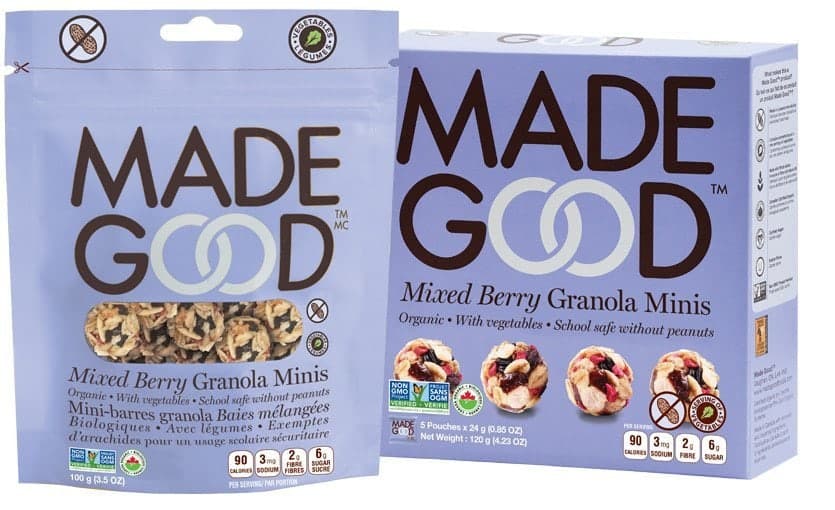 Aside from creating alternative protein sources, many food manufacturers are also joining the bandwagon of free-from foods. Free-from foods are those that do not contain a particular detrimental ingredient. These include gluten-free, dairy-free and allergen-free foods. Many food manufacturers produce these specialty food products for flexitarian consumers who suffer from certain conditions that can be triggered by the presence of “detrimental” foods.
 It seems the rise of the flexitarian is due to the collision of the health, nutrition, and wellness trends in the market. The “clean label” and “simple ingredients” trends fall in line with the demand from flexitarians. Many flexitarian consumers are now opting for products that are made from natural ingredients using natural processing methods.
 Snacks that are based on fresh fruit and vegetables are very popular. These include the sweet dried or chocolate dipped fruits to the tasty veggie chips. Many consumers opt for fresh fruit and vegetable snacks because they are not only satisfying but also healthier than traditional snacks. Using an ingredient like GrandFusion nutrient blends gives brands the opportunity to add natural vitamins from fruit and/or vegetables without impacting the taste or texture of the snacks.