How Food Ingredient Solutions Help Keep Foods Fresh Without Harsh Chemicals
Preservatives are essential in food manufacturing because they ensure products stay safe and stable throughout the supply chain. While synthetic chemicals have long been the standard for preventing spoilage, many formulators now opt for food ingredient solutions as an alternative.
These plant-derived ingredients provide a functional approach to stabilization that aligns with clean-label goals. Although synthetic methods remain common, the development of plant-based stabilizers offers a modern path for diverse food and beverage applications. After all, these botanical options can keep foods just as fresh as their chemical counterparts.
This article will explain the science behind these ingredients in detail and explore how new technologies are making natural stability more effective for manufacturers.
Why Food Ingredient Solutions are Becoming the Norm
The increasing shift toward food ingredient solutions is driven by more than just a trend; it is a response to evolving regulatory landscapes and market demands. As consumers seek alternatives to products that use synthetic additives like BHA, BHT, and calcium propionate, the adoption of plant-derived preservatives is reaching new heights.
Several factors illustrate why these natural stabilizers are gaining significant traction in the industry:
- Growing Health Consciousness: Approximately 53% of general consumers express concern about ultra-processed foods, a figure that rises to 71% among those who are actively health-conscious.
- Avoidance of Synthetics: Traditional preservatives such as BHA and BHT are under increasing scrutiny due to potential health risks, including carcinogenicity and respiratory irritation.
- Substantial Market Growth: Reflecting this rising preference, the market for products using natural preservation technologies is projected to reach $1.4 billion by 2030.
- The Clean Label Premium: Most modern shoppers are now willing to pay a higher price for food and beverage products that replace artificial chemicals with botanical counterparts.

By integrating these solutions, manufacturers can provide the transparency and the natural alternatives that consumers demand while maintaining functional stability. Utilizing the inherent protective properties of fruits and vegetables allows for a bio-organic approach to preservation. This alignment with consumer values ensures that products remain competitive in an increasingly health-focused landscape.
The Science of Freshness: How Clean Label Ingredients Fights Spoilage
To understand how food ingredient solutions function, it is necessary to examine the two primary enemies of food quality: oxidation and microbial growth. Oxidation occurs when oxygen reacts with food components, creating free radicals that cause rancidity, off-flavors, and unappealing color changes. Meanwhile, microorganisms like bacteria and mold can quickly colonize products, compromising both safety and shelf life.
Natural ingredients utilize botanical compounds to interrupt these destructive processes at a molecular level:
- Antioxidant Protection: Ingredients like rosemary extract and mixed tocopherols (Vitamin E) neutralize free radicals. This prevents the oxidation of lipids, which is crucial for maintaining the flavor and aroma of high-fat products.
- Antimicrobial Action: Many botanical extracts contain natural organic acids that lower the pH of a product. This creates an acidic environment that is inhospitable to spoilage-causing bacteria and pathogens.
- Enzymatic Inhibition: Specific fruit extracts, such as those from acerola cherry, contain high levels of Vitamin C. This helps inhibit the enzymes responsible for browning in cut fruits and vegetables.
- Moisture Control: Certain plant fibers and resins can act as barriers to moisture migration. By managing water activity, these natural components prevent the soggy textures that lead to mold growth.
By leveraging these inherent defense mechanisms, manufacturers can effectively inhibit the growth of pathogens. This biological approach ensures that products remain fresh and appealing while providing a cleaner profile for the end consumer. Utilizing these complex plant structures allows for a multi-layered defense that synthetic single-molecule preservatives often cannot match.
The ROI of Clean Label Ingredients
Investing in food ingredient solutions offers a significant return on investment that extends beyond the simple prevention of spoilage. For manufacturers, the primary financial benefit lies in capturing the growing segment of consumers who actively avoid synthetic additives and ultra-processed foods. Products that feature clean labels often command a premium price point, allowing brands to offset the costs of higher-quality, plant-based sourcing.

Beyond pricing power, switching to botanical stabilizers can lead to several long-term commercial advantages:
- Brand Differentiation: Using plant-derived antioxidants allows a company to stand out in a crowded market dominated by chemical additives.
- Reduced Regulatory Risk: As global authorities continue to investigate the health impacts of synthetic chemicals, transitioning early helps manufacturers avoid future mandatory reformulations.
- Enhanced Nutritional Profile: Unlike synthetic BHA or BHT, which provide no health benefits, natural preservatives often contribute trace minerals and bioavailable nutrients.
- Improved Consumer Trust: Transparency in labeling fosters long-term customer loyalty and reduces the risk of negative publicity associated with "hidden" chemicals.
These economic factors prove that choosing a bio-organic approach is a sound business strategy for modern formulators. While the initial formulation process may require technical adjustments, the result is a more resilient product line. Manufacturers can further understand these advantages by comparing the market performance of real foods vs processed options in current retail environments.
The NutriFusion Solution: Stabilized, Plant-Based Innovation
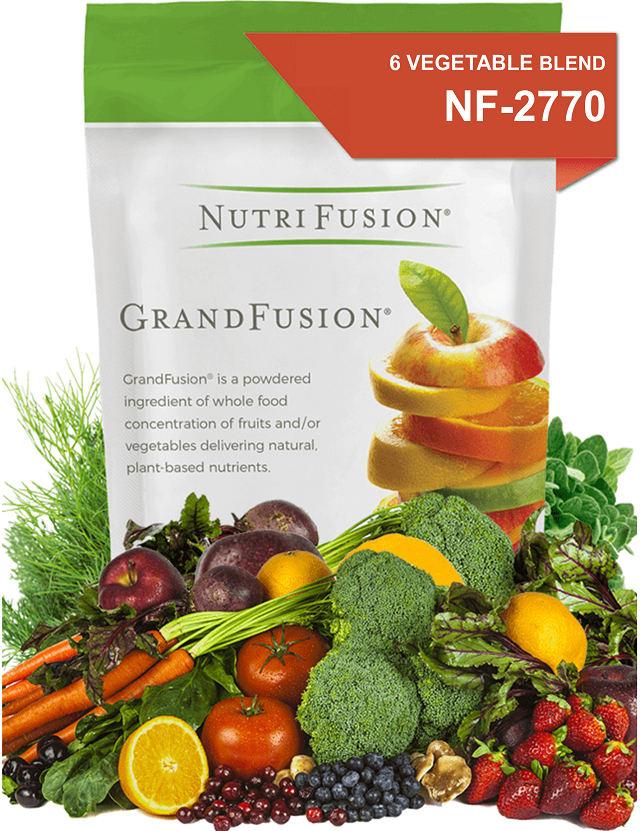
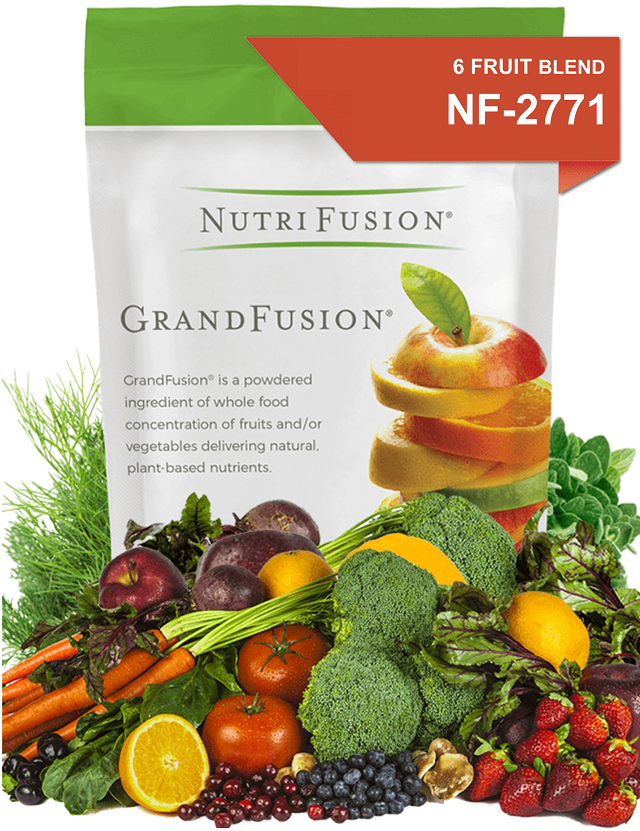
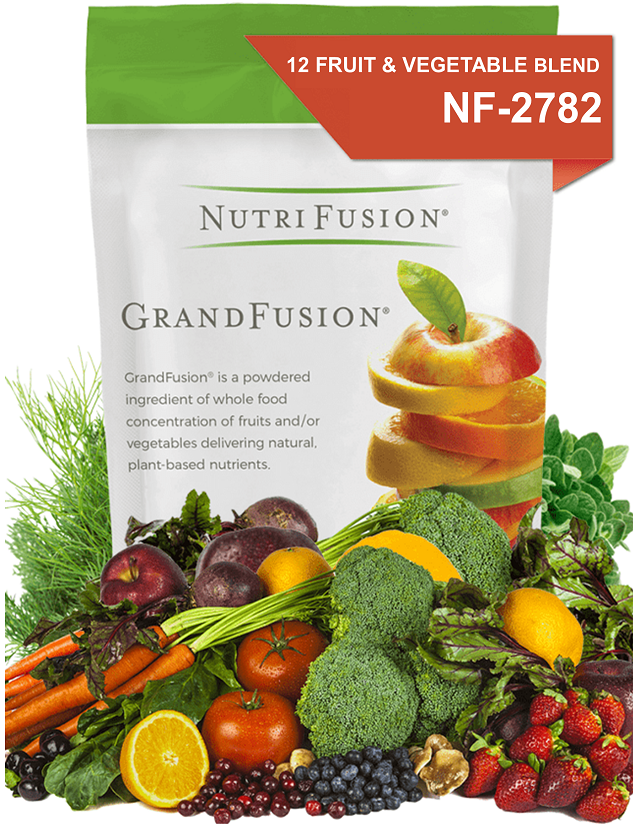
NutriFusion solves the primary challenge of using clean label food preservatives — ingredient volatility. While traditional plant-based nutrients often degrade during high-heat processing or extrusion, the proprietary GrandFusion® technology stabilizes antioxidants and polyphenols sourced from non-GMO fruits and vegetables. This creates a bio-organic barrier against spoilage that maintains its efficacy from the manufacturing floor to the consumer’s home.
By integrating these stabilized blends, manufacturers can replace synthetic chemicals with a clean-label solution that does not alter the product's taste, color, or texture. These highly concentrated powders allow formulators to achieve the necessary shelf life while adding real-food nutrients to their ingredient deck.
If you want to learn more about our plant-based innovations, take a look at what we have to offer: https://nf.simplygrandproperties.com/
References:
- Aondover, N. G., et al. (2026). A review on the potential of organic preservatives in the preservation of grains. Nutraceutical Research, 5(1), 23. https://www.jnutraceutical.com/full-text/a-review-on-the-potential-of-organic-preservatives-in-the-preservation-of-grains
- Grand View Research. (2024). Natural food preservatives market size, share & trends analysis report. https://www.grandviewresearch.com/industry-analysis/natural-food-preservatives-market-report
- Stewart, M. M., et al. (2026). Consumer insights into “clean label” high-fat, low-carbohydrate protein bars. PMC. https://pmc.ncbi.nlm.nih.gov/articles/PMC12897269/