

The majority of U.S. adults consumed alcoholic beverages at some point in their lives, according to reported facts and statistics on drinking prevalence. Even though studies show some benefits of drinking some alcoholic drinks like wine, alcohol carries a huge potential for abuse and addiction.
Despite this, the 2020-2025 Dietary Guidelines for Americans (DGA) states that adults (age 21 or older) can choose to drink as long as it’s done within moderate limits. The guidelines seem to suggest that the important thing is knowing the limit, so you can make informed choices.
Why Do People Drink?
Drinking has been a social pastime and an integral part of rituals for centuries. People knew the risk of intoxication, but that didn’t stop them from imbibing. Long-term drinking is physically and psychologically harmful and can cause alcohol poisoning death. So knowing this, why do people still take the risk?
Researchers in a 1993 study identified two primary reasons people drink. The first is social enjoyment or to be more sociable. The second is to cope with stress, escape unpleasant emotions, or deal with symptoms of mental health conditions. Whatever the reason, people reported that alcohol made them feel good. But the researchers found those who drink to cope are more at risk of alcohol abuse or addiction.
What Is a Standard Drink?
The general view of some health experts is alcohol isn’t bad as long as people drink in moderation. They also explained what a “drink” is. Below is a recommendation on what makes up a standard drink according to US health/dietary guidelines. A drink that contains 14 grams (0.6 fluid ounces) of pure alcohol is considered standard. This translates to:
- 5 ounces of wine (usually about 12% alcohol), or
- 12 ounces of regular beer, (typically about 5% alcohol), or
- 1.5 ounces of distilled spirits, (typically about 40% alcohol).
What Does it Mean to Drink in Moderation?
The DGA recommends that adults of the legal drinking age, who choose to drink, may do so in moderation. In other words, limit intake to up to 1 drink per day for women and up to 2 drinks per day for men, on days when alcohol is consumed. The limit is in support of reducing the risk of chronic diseases and other problems associated with overdrinking.
The DGA does not recommend drinking for adults who are younger than age 21, or who are pregnant, or breastfeeding. Those who are unable to control how much they drink or are recovering from an alcohol use disorder (AUD) should not drink.
Are there Benefits of Drinking?
Nutritionists have long argued that drinking is good for health when it’s done in moderation. But it’s not just any type of alcohol. Red wine is thought to be good for the heart when consumed in moderation and may prevent cardiovascular diseases. The beverage contains antioxidants from red grapes that may protect blood vessels in your heart. Resveratrol, in particular, is a polyphenol that may lower blood pressure and reduce cholesterol, studies suggest.
- Type 2 diabetes
- Heart disease
- Common colds (in non-smokers)
- Dementia
- Rheumatoid arthritis
- Osteoporosis in menopausal women
Despite these claims, global studies concluded that no amount of alcohol is good for health.
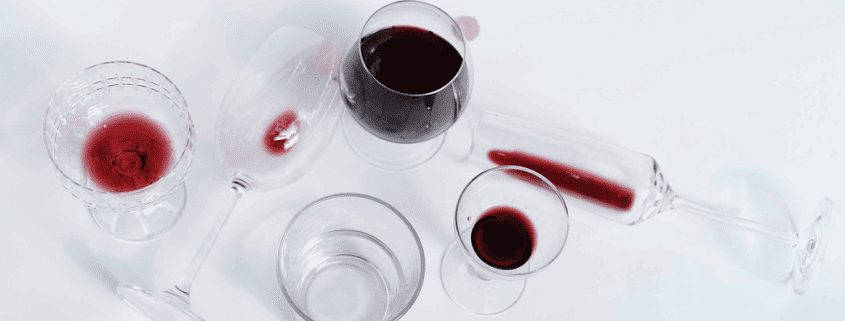
What’s the Problem with One Too Many Drinks?
Overdrinking, also known as alcohol abuse, is a problem. But what does it mean to overdrink? The National Institute on Alcohol Abuse and Alcoholism (NIAAA) considers binge drinking and heavy drinking as overconsumption. There’s also an emerging trend called high-intensity drinking. These are all patterns of alcohol abuse and may lead to AUD (addiction).
- Binge drinking: According to the NIAAA, binge drinking is a pattern of drinking that ups blood alcohol concentration (BAC) to 0.08 grams per deciliter (0.08%) or higher. 0.08 grams and higher mean intoxication in most US states. Consuming 4 drinks (for women) or 5 drinks (for men) in a 2-hour time frame counts as binge drinking.
- Heavy drinking: Binge drinking on 5 or more days in the past 30 days is considered heavy drinking.
- High-intensity drinking: This means drinking alcohol at levels that are twice as much or more above the binge drinking thresholds for women and men.
In addition to this pattern of drinking, certain symptoms and criteria need to be met in order to diagnose AUD according to DSM-V.
Trading in Alcohol for Healthier Alternatives
How many drinks are too many?” remains a controversial question. If you choose to err on the side of caution, here’s a list of healthier alternative beverages you may enjoy. They include non-alcoholic wines, beers, and nutritional blends that allow you to unwind without the risks of alcohol.
- Coconut water
- Green juices
- Mocktails, e.g., Shirley Temple
- Berries in iced water
- Alcohol-free sparkling wines
- Alcohol-free beers
- Virgin mojitos
Where to Get Help for Alcohol Abuse
Heavy alcohol use on a long-term basis, binge drinking, and high-intensity drinking increase your risk of alcohol addiction. Alcoholism damages certain regions of your brain and changes how you think, behave and make decisions. After a while, drinking becomes compulsive and out of control. The brain’s pleasure and reward circuit stays activated, causing you to experience ongoing and uncontrollable cravings.
Intervention programs are available to assist those who are in the early stages of alcohol abuse. You can seek treatment at an alcohol rehab center if you’ve lost control over drinking and are unable to quit on your own. Alcohol abuse treatment programs provide detox and behavioral therapy for clients with moderate to severe AUD.
The treatment specialists will need to do a comprehensive evaluation to make a diagnosis and personalize your treatment plan. You can receive therapy for anxiety, depression, or another mental health condition at the same time (dual-diagnosis). Treatment goals include helping you regain your sobriety and develop healthy coping skills to manage drinking triggers.
Author’s Bio:
Dr Harshi is a licensed medical doctor with specialization in Pathology. She is currently employed as faculty in a medical school with tertiary care hospital and research center in India. She has vast experience of over a decade in diagnostic, clinical, research and teaching work. She has strong interest in medical content writing and reviewing. She also has several publications and citations in indexed peer reviewed journals.
Sources
niaaa.nih.gov – Alcohol Facts and Statistics
dietaryguidelines.gov – 2020-2025 Dietary Guidelines for Americans
ncbi.nlm.nih.gov – The Relationship Between Reasons for Drinking Alcohol and Alcohol Consumption: An Interactional Approach
arcr.niaaa.nih.gov – Drinking Patterns and Their Definitions
dietaryguidelines.gov – 2020-2025 Dietary Guidelines for Americans (DGA)
niaaa.nih.gov – Understanding Alcohol Use Disorder
ncbi.nlm.nih.gov – Red Wine a Drink to Your Heart
research.vu.nl – Moderate Alcohol Consumption Lowers the Risk of Type 2 Diabetes: A Meta-Analysis of Prospective Observational Studies
ncbi.nlm.nih.gov– Moderate Drinking and Reduced Risk of Heart Disease
pubmed.ncbi.nlm.nih.gov – Smoking, Alcohol Consumption, and Susceptibility to the Common Cold
sciencedaily.com – Moderate Drinking May Protect Against Alzheimer’s and Cognitive Impairment, Study Suggests
arthritis.org – Alcohol and Arthritis
ncbi.nlm.nih.gov – Moderate Alcohol Intake Lowers Biochemical Markers of Bone Turnover in Postmenopausal Women
thelancet.com– Alcohol Use and Burden for 195 Countries and Territories, 1990–2016: A Systematic Analysis for the Global Burden of Disease Study 2016
www.niaaa.nih.gov – Alcohol Use Disorder: A Comparison Between DSM–IV and DSM–5
nutrifusion.com – All Natural Superfood Drink Powder Blends
sunshinebehavioralhealth.com – How Long Does it Take to Detox from Alcohol?