
• Link to LinkedIn
  • Link to Facebook
  • Email Us
  • Email Us
  • Call Us
  • Call Us
NutriFusion
  • Applications
    • All Blends
    • Food
    • Beverages & Drinks
    • Nutraceuticals
    • Pet Nutrition
    • Custom Superfood
  • R&D
    • Research & Development
    • Vitamin Deficiency
  • Active Research
  • About
    • About NutriFusion®
    • Certifications
  • Contact
  • News
    • Press Center
  • Podcasts
  • Blog
  • Store
  • Store
  • Click to open the search input field Click to open the search input field Search
  • Menu Menu

Archive for category: Consumer Packaged Goods

Private Label Innovation: Connecting To Millennials

in Beverages & Drinks, Consumer Packaged Goods, Food Business, Supplements & Nutraceuticals

Private label brands are manufactured by a particular company under another company’s brands. Over the past few years, private labels have seen a growth in market share. In fact, during the Private Label Manufacturer Association show last year in Chicago, the association indicated that the business continues to grow by 5%.

Private labels are available in different types of industries from cosmetics to food. They are mostly lower cost alternatives to other types of brands. Nielsen noted that the store sales of private labels are estimated to be at $120 billion. Private label company giants like Aldi and Save-A-Lot have catered to retail store companies like Trader Joes and Whole Foods. According to the National Bureau of Economic Research, most consumers tend to patronize private label brands because they are cheaper than others.

Why Private Label Is Innovating

The popularity of private labels has presented opportunities to manufacturers of major brands to create products that appeal to private label shoppers. For example, Hormel Foods is launching its latest commercial retail team to help partners grow their private label strategies.

Private labels also need to take a step further to meet the demands of their customers. Private label brands are also venturing into healthier products. For instance, Ohio-based SmithFoods have started producing almond milk aside from traditionally manufacturing milk and other dairy products.  On the other hand, Perrysburg from Ohio manufactures not only private label frozen pizza and snacks but also “better for you” products with organic and gluten-free ingredients.

Millennials Are The Future Consumers

Neil Stern, a senior partner from McMillanDoolittle, noted that most food retailers in the United States are updating their private label offerings to meet the demands of their customers. For now, these private label brands are focusing on producing organic and natural products.

The direction towards healthier options is being driven by younger consumers in the market. Younger or millennial shoppers are now warming up to startup brands especially those that offer healthier choices. Millennials are considered the most aggressive of all types of consumers.


In a recent survey conducted by the PLMA, millennials agreed that they have the knack to try food created in different ways. Meaning that they opt for healthier options that are prepared in the most sustainable way. Their food choices have also reflected their eating habits. However, Millennials do not like to spend an exorbitant amount of money to buy their food. According to the same survey, 75% of millennials tend to shop in the supermarket, where bakery goods and dairy items top their list.

With this data, supermarkets can experience big payoffs by innovating their private labels to meet the eating habits of Millennials.  Store brands have the opportunity to compete with the well-recognized national brands and in some cases, win.

Inspired by www.foodbusinessnews.net

https://nf.simplygrandproperties.com/wp-content/uploads/2022/05/NutriFusion-Logo-New-1030x251.png 0 0 NF Admin https://nf.simplygrandproperties.com/wp-content/uploads/2022/05/NutriFusion-Logo-New-1030x251.png NF Admin2017-02-07 09:15:112017-02-07 09:15:11Private Label Innovation: Connecting To Millennials

Clean Labels: From Trend To Movement

in Animal Nutrition, Beverages & Drinks, Consumer Packaged Goods, Food Business, Health & Nutrition

Today’s consumer is more interested in eating fresher and cleaner foods. Industry experts have noticed that many food companies have adopted the movement for cleaner foods.  Companies like Campbell’s Soup and PepsiCo have implemented food transparency through clean labeling. There is also a rise in food start-ups applying clean labels with their new products.

Chief Marketing and Innovation Officer, Suzanne Ginestro from Campbell Soup, noted that modern consumers are moving towards cleaner labels, transparency, as well as opting for products that are healthier and have ingredients that are easier to understand. People want transparency on all kinds of products from household cleaning supplies to electronics. Consumers just want to know what is inside the products they are using.

Why Transparency And Clean Labeling? 

So why are people so particular about clean labeling and transparency? Becky Frankiewicz from Quaker Foods North America indicated that consumers want to have more choices and this can only be achieved if they know the ingredients of the products they are buying.

While clean labels promote companies to indicate all ingredients on their labels, it does not mean that they should only focus on healthy ingredients yet. Companies have adopted the clean label movement to prove that they care about their consumers and their products. It also enables consumers to make informed decisions about their purchases.

Some food manufacturers still include ingredients that will make their products more palatable and that means using fat and sugar. The clean label is there to educate consumers about the types of ingredients utilized in the product. It is all about giving customers access to different food choices.

Clean Label: Trend or Movement?

What started out as a fad has become a movement that will surely stay. Today, many food startups have found success in introducing healthier foods and beverages to consumers. Large food companies are also capitalizing on the opportunity by introducing healthier product choices to their customers. Executives from large food manufacturing companies noted that the clean label movement had pushed brands to go back to their old business practices.

For instance, the 140-year old company Quaker Foods first started using fresh ingredients and developed ways to package their products so that it is easier for the consumers who live in urban places to enjoy healthy foods—similar to those living on the farm.

From trend to movement, clean labels are here to stay. Brands that focus on delivering healthy food with simple ingredients will win, plain and simple. Don’t be surprised to see more acquisitions of small, successful brands over the next five years as large companies like PepsiCo try to a secure a competitive advantage in this evolving space.

Inspired by fortune.com

https://nf.simplygrandproperties.com/wp-content/uploads/2016/11/composition-of-fruits-and-vegetables-in-rainbow-82DUL49-min.webp 1067 1600 NF Admin https://nf.simplygrandproperties.com/wp-content/uploads/2022/05/NutriFusion-Logo-New-1030x251.png NF Admin2017-01-30 09:52:352017-01-30 09:52:35Clean Labels: From Trend To Movement

Confectionery Industry Goes Clean Label

in Consumer Packaged Goods, Food Business

The confectionery market in the United States had an estimated value of $35.86 billion in 2016. The value is expected to rise to over $38.19 billion in the next four years. According to a market research company, Technavio, confectionery companies sold a total of 7.31 billion pounds of products last year.

The slow forecast of growth for the confectionery industry (0.81%) made industry leaders think twice about what they need to do to improve their sales. Strategies such as acquisitions, diversifying the portfolio, and alignment with consumer trends have been implemented. One of the strategies that this particular industry implemented was clean labeling.

Confectionery Challenges In Clean Labeling

The candy industry is known to use different flavors and vibrant colors of using artificial flavors and dye. The growing consumer demand for transparency and simple ingredients is a difficult situation for candy companies.

However, confectionery companies plan to stay true to their promise of clean labeling. In February this year, Mars, Inc. pledged to remove artificial colors from their gum, chocolate, and other food products within the next five years. Other confectionery giants like Nestle and Hershey’s followed suit.

Currently, most products produced by Mars, Inc. no longer contain artificial colors, but the company is still doing its best to clean their products from synthetic ingredients thoroughly. The challenge here is how candy companies will make their colorful candies like Skittles and M&M’s more natural.

While the purpose of clean labeling is to benefit the company and the consumers, the cost associated with it can be very immense. Using natural ingredients require substantial investments particularly for the smaller confectionery companies. It can be hard for smaller businesses to move in the direction of non-GMO and natural confectionery and it can take its toll in the economies of scale for the candy company.

Taste Still Rules in Priorities

With the challenges that lie in making confectionery without the use of artificial flavors and colors, most candy companies are now prioritizing the taste and quality of their products.  Marketing communications manager for Wrigley, Michelle Green, noted that consumers are not so keen at compromising the taste of their favorite sweets.

This has led companies to innovate on the types of products that they produce. In the recent Sweets & Snacks Expo, bold flavors were featured, and new lines of snack options were created including chocolate barks and bites that come with unusual flavor combinations like oranges, blueberries, and pomegranates.

Fruit combinations with conventional confectionary are not only an interesting take on healthy snacks, but it also helps improve the flavor without using artificial flavors and sweeteners. According to Susan Whiteside from the Washington chapter of the National Confectioners Association, chocolate and fruit combination will be the top trend in the confectionery industry that has increased forecasted revenue by as much as 116%.

Clean labeling is a popular trend in the food industry, and while some have quickly adapted to the trend, the confectionery industry finds a lot of obstacles for now.

Inspired by www.foodbusinessnews.net
https://nf.simplygrandproperties.com/wp-content/uploads/2022/05/NutriFusion-Logo-New-1030x251.png 0 0 NF Admin https://nf.simplygrandproperties.com/wp-content/uploads/2022/05/NutriFusion-Logo-New-1030x251.png NF Admin2017-01-24 12:43:332017-01-24 12:43:33Confectionery Industry Goes Clean Label

Most Demanded Superfoods: Avocado, Turmeric, and Kale

in Beverages & Drinks, Consumer Packaged Goods, Food Business, Health & Nutrition

Superfoods are considered nutrient powerhouses that have a lot of antioxidants, vitamins, minerals, polyphenols, and other compounds that are known to be highly beneficial to the body. Eating superfoods can decrease the risk of diseases, extend life, and improve overall vitality of the body. According to Search Laboratory, there is a growing trend to consume more superfoods in the foods we eat every day.

Superfoods have become very popular in with people dedicated to a healthy lifestyle. Superfood consumption is very common among young adults who want to embrace healthy eating habits. It is interesting to take note that you can probably already find superfoods in your home.  In fact, a Google trend reports reveals that while there are many superfoods that you can buy from the supermarket, there are three that top the list–avocado, turmeric, and kale.

1. Superfoods: Avocado

Avocado is a buttery green fruit that is an essential ingredient in guacamole. As one of the most nutrient-dense foods in the world, Avocado contains high amounts of fiber, Vitamin E, magnesium, potassium, and folate.

Avocado also contains copious amounts of monounsaturated fat, a healthy kind of fat. The amount of monounsaturated fat in avocado is almost similar to the amount found in olive oil. The monounsaturated fat found in avocado is oleic acid. Oleic acid helps lower your cholesterol level particularly low-density lipoproteins (LDL), which are considered as the bad cholesterol. It can also increase the amount of good high-density lipoproteins (HDL).

2. Superfoods: Turmeric

Turmeric is a favorite spice in Asian cuisine. For centuries, it has been used in South Asia as a medicine. Turmeric has a lot of health benefits, and it is known to treat arthritis, acne, heart diseases, and Parkinson’s disease. This particular spice contains high amounts of curcumin—a powerful antioxidant. Curcumin is also a potent anti-inflammatory compound that can relieve different types of inflammation in the body. It can help improve the condition of patients who have diabetes and even cancer.

Turmeric milk wherein turmeric powder is added to milk with honey is not the only way of enjoying this superfood. Turmeric can be prepared in other ways to get its benefits. You can make it into a tea and add a hint of black pepper to improve its potency.

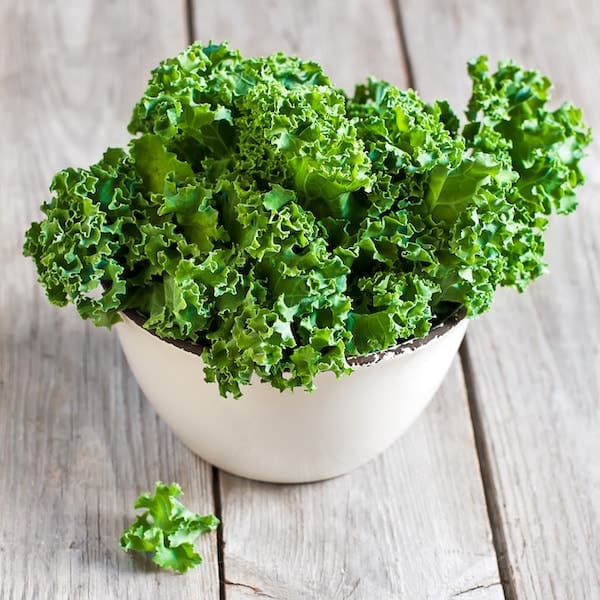
3. Superfoods: Kale

kale superfood

Kale is a leafy green vegetable related to other cruciferous plants like cabbages and cauliflowers.  It is a powerhouse packed with beta-carotene (Vitamin A), Vitamin C, quercetin, and kaempferol. It is one of the few vegetables that have a high Oxygen Radical Absorbance Capacity (ORAC) value. This rating measures the ability of the plant compounds to scavenge free radicals.

Consumption of kale has many health benefits. It can prevent cardiovascular diseases, macular degeneration, Alzheimer’s disease, atherosclerosis, diabetes, and rheumatoid arthritis to name a few. It can also keep the integrity of the skin; that keeps it looking great. Kale also contains flavonoids like glucosinolates, sinigrin, glucobrassicin, and glucoraphanin that convert isothiocyanates in the gut that helps prevent or suppress the growth of multiple types of cancerous tumors.

Inspired by www.fooddive.com

https://nf.simplygrandproperties.com/wp-content/uploads/2017/01/avocado-PL3RSW8-min.jpg 1030 1545 NF Admin https://nf.simplygrandproperties.com/wp-content/uploads/2022/05/NutriFusion-Logo-New-1030x251.png NF Admin2017-01-09 10:08:282017-01-09 10:08:28Most Demanded Superfoods: Avocado, Turmeric, and Kale

Mintel’s 2017 Global Food and Drink Industry Trends

in Animal Nutrition, Beverages & Drinks, Consumer Packaged Goods, Food Business, Health & Nutrition, Supplements & Nutraceuticals

Now that 2016 is over, it’s time to look at the food and beverage trends shaping up to make an impact in 2017. Mintel recently announced the top six trends that they believe will see fast growth this year. Check out their predictions below!

1. Traditional Processing

While our food today is made using modern processing, many people are now opting for foods made by conventional processing techniques. Companies are looking at using age-old formulation as well as classic flavors. People tend to view these foods as safe, reliable, and recognizable. This trend can be attributed to the recent rise of ancient recipes, cooking practices, and traditions that have resurfaced to incite the feeling of familiarity in the kitchen and food.

2. Plant-Based Formulation

Plant-based diets are becoming more popular, and Mintel expects this to be a huge area for growth in the industry. As a result, the food and drink industry is developing more products that emphasize using plant-based ingredients. This trend will not only be perfect for vegans and vegetarians but also flexitarians. We predict there will be an increased consumption of vegetables, fruits, seeds, nuts, grains and other botanical products.

3. Zero Food Waste

The year 2017 will be the year of the environment. But how does that relate to food? The answer is zero food waste. Today, many food manufacturers and restaurant owners want to address the growing problem of food waste. There will be an increasing awareness among people to use “ugly” produce as well as repurposing food ingredients to avoid wastage.

4. Night Shift Market

In today’s fast-paced life, many people have to work at night when we are all asleep. This lifestyle creates a new market niche for food manufacturers. Companies are developing products that are solely dedicated to nighttime workers as well as those who stay up late at night. Products such as teas made from lavender and chamomile are now introduced to night owls so that they can relax better just before their bedtime.

5. Healthy Food for Everyone

In the past years, only people from the higher income brackets could afford to eat healthily. Fortunately, 2017 will be the year when even lower-income consumers can afford to eat healthily.  2016 helped drive this change with companies like Annie’s leading the Everybunny campaign and other organizations lobbying for subsidized fruits and vegetables to keep prices low.

6. Convenient Healthy Foods

Convenience has been driving change in food for over 30 years, but the new opportunity is in creating fast, healthy foods. People want to eat food conveniently so many food and drink manufacturers are developing new ways to deliver their products faster without compromising the taste and nutritional content.

If you have noticed, the trends of 2017 revolve around the idea of eating convenient, healthy, and reliable foods. It’s not that surprising if you’ve watched the market over the past few years. It will be interesting to see which companies take advantage of these growth opportunities in 2017 and beyond.

Inspired by www.mintel.com

https://nf.simplygrandproperties.com/wp-content/uploads/2022/05/NutriFusion-Logo-New-1030x251.png 0 0 NF Admin https://nf.simplygrandproperties.com/wp-content/uploads/2022/05/NutriFusion-Logo-New-1030x251.png NF Admin2017-01-04 08:40:512017-01-04 08:40:51Mintel’s 2017 Global Food and Drink Industry Trends

Vegetable Powders: A Game Changer in The Healthy Food Movement

in Animal Nutrition, Beverages & Drinks, Consumer Packaged Goods, Food Business, Supplements & Nutraceuticals

The whole food movement has increased people’s consumption of fruits and vegetables. This trend has also led food producers to offer fruit and vegetable powders that are used to flavor and enhance food and beverages. Dehydrated vegetable and fruit powders are more practical than their fresh counterparts for food manufacturing. They have a longer shelf life and some powders like NutriFusion are packed with essential vitamins and minerals.
While powders are high in demand, the problem is that most of them exist with bland flavors and washed out colors. This is caused by poor extraction, processing, and storage. The developing food powder industry uses different drying techniques to produce vibrant fruit and vegetable powders.

Sensient Natural Ingredients, a company in Turlock in California, manufactures fruit and vegetable powders. They use methods like air, vacuum, and freeze drying. The drying technique employed depends on the types of ingredients used. For instance, air drying is utilized to dry herbs while vacuum drying is used to retain more nutrients from the dried food.
vegetable powder fruit powder cranberry powder food premix

Challenges in Making Whole Food Powders

Drying fruits and vegetables is not a walk in the park. Several types of fresh fruit and vegetables can be powdered, and manufacturers face a few obstacles. For instance, high sugary foods are difficult to process because they stick to everything. Moreover, the sugar found in sweet fruits can be difficult to deal with in high-temperature drying because they burn even from the start. Drying leafy greens and herbs are also very delicate to handle and are more at risk to spoilage or decay.

The problems encountered during the drying process drive manufacturers to optimize their harvest timing by processing the materials within a short yet specified time frame to prevent spoilage and decay. They also use technology like infrared light to kill pathogens and preserve colors, nutrients, and texture.

The Future of Fruit and Vegetable Powders

Over the next ten years, we will see a lot of fruits and vegetables turned into powder for nutrition, flavor, and texture in our packaged foods. One of the reasons why this trend will continue to flourish is because of the convenience. Whole foodpowders like NutriFusion tend to last for a long time without losing their nutritional value. They can be used in augmenting the nutrient content of the food that you are cooking or can be utilized as emergency food.

Astronauts will not be the only ones to benefit from powdered fruits and vegetables. The industry is already buzzing with wild dried fruits and vegetables like powdered coconut water, watermelon juice powder, tart cherry, and shiitake mushroom powder. NutriFusion separates itself from the pack by delivering blends of fresh fruit and veggies for optimal nutrition content. In many of our blends, you will find apple, blueberry, cherry, cranberry, shiitake mushroom, broccoli, tomato, carrot, orange, spinach, beet, and strawberry. The combination of those fruits and vegetables can deliver up to 12 different plant-based vitamins for food and beverage brands.

NutriFusion vegetable powder in a clear measuring cup set in a tray of finely ground yellow powder.

Food manufacturers also see an increasing trend in superfoods being turned to powder. Ingredients like acai berry, Camu Camu, cranberry, goji berry, and acerola will be mainstream in the future. The challenge here for food scientists is how to maintain a high ORAC value (an indicator of antioxidant capacity) despite the drying process.

Source:  http://www.wholefoodsmagazine.com/suppliers/features-suppliers/powder-play/

NutriFusion Fruit and Vegetable Powders Nutritional Claims FDA

https://nf.simplygrandproperties.com/wp-content/uploads/2016/11/composition-of-fruits-and-vegetables-in-rainbow-82DUL49-min.webp 1067 1600 NF Admin https://nf.simplygrandproperties.com/wp-content/uploads/2022/05/NutriFusion-Logo-New-1030x251.png NF Admin2016-11-29 10:04:182016-11-29 10:04:18Vegetable Powders: A Game Changer in The Healthy Food Movement

Misleading Labeling Claims Can Land Food Companies in a Lawsuit

in Beverages & Drinks, Consumer Packaged Goods, Food Business

In today’s modern society, most consumers are driven to purchase healthy foods. Customers take the time to read and compare food labels to decide which products are right for them. Food producers use labels as a marketing ploy. Food manufacturers love to claim different kinds of health benefits to boost their products’ sales. Unfortunately, many of these claims are misleading.

The Problem with Misleading Food Labels

Food and beverage brands come up with the latest buzzwords that are designed to boost product sales. Consumers expect the labels to be truthful so that they can make healthier choices. Moreover, they assume that the government is keeping a strict eye on the food manufacturers.

While there is some truth to this, what’s good to know though is the system is currently working to make companies accountable for their misleading food labeling.  On August 12, 2016, the company Nature’s Way falsely labeled its coconut oil as healthy; thus, a California federal judge found that the firm’s advertising and labeling are misleading.

The company branded their products as a healthy alternative to shortening, margarine, butter and other cooking oils despite the fact that it is not much better than those products. Moreover, the company’s advertising and product labeling violated several state food regulations in Canada.

Food Labeling Laws

Food manufacturers are expected to evaluate their foods and make their nutrition labels.  They are allowed to make a margin of error of plus or minus 10%. The Food and Drug Administration imposes that all food producers are straightforward when it comes to labeling their food products. For instance, products that are labeled as “natural” may contain surprisingly unnatural ingredients. Moreover, food manufacturers should also include the exact serving size and calories on the label as part of FDA regulations.

FDA food label nutrition facts panel update for 2017 2018 2019 food companiesFDA Issues Public Warning

With the increasing trend of using misleading labels, the FDA strictly defines the term “natural” in food products, and it restricts many food manufacturers to abuse such claim. Those who do not comply with the agency often suffer repercussions.

For instance, the agency issued a public warning letter in 2014 to Premier Organics about its product named Arisana Coconut Butter Whole Coconut Flesh is not healthy because it contains high amounts of saturated fat per serving.

Another company that has found itself in hot water with the FDA was General Mills. The company experienced a lawsuit when it allegedly claimed that the product Cheerios Protein is a protein-rich version of the regular Cheerios when, in fact, it does not contain significant amounts of added protein.

The false advertising of many companies has led to the proposal of the Food Labeling Modernization Act to streamline food labeling and create a standard labeling requirement for all food products. With this proposal, food manufacturers will be more careful in using buzzwords like “natural” and “healthy.”

Source: legalnewsline.com

https://nf.simplygrandproperties.com/wp-content/uploads/2016/11/shallow-depth-of-field-image-of-nutrition-facts-PPCFXVQ-min.jpg 1030 1545 NF Admin https://nf.simplygrandproperties.com/wp-content/uploads/2022/05/NutriFusion-Logo-New-1030x251.png NF Admin2016-11-16 08:37:592016-11-16 08:37:59Misleading Labeling Claims Can Land Food Companies in a Lawsuit

Tyson Meat Company Invests in Plant Protein with Beyond Meat

in Consumer Packaged Goods, Food Business, Health & Nutrition

People are now shying away from eating so much meat. Some nutrition experts believe that eating too much meat can cause serious, long-term health problems. New companies developing plant-based meat alternatives are racing to create the next big product in “meat.”

As one of the largest meat processors in the country, Tyson Foods shocked consumers when they decided to embrace plant proteins. They invested in the vegan “meat” company, Beyond Meat.  Beyond Meat is the company that brought the market, the Beyond Burger, which is a plant-based burger that looks and tastes like the real thing. Senior vice president in charge of strategy and new ventures, Monica McGurk, noted that the quality of the plant-based burger is amazing and Tyson Foods wants to diversify their food business.

Why Plant-Based Proteins?

There is a growing movement of vegetarianism and veganism in the United States. As more American consumers are eating more plant-based foods, many traditional meat manufacturers are thinking of new ways to grow share of the new plant-based market.

According to the Plant Based Foods Association, businesses in the country such as Califia Farms, Heidi Ho, and Beyond Meat have grown to at least $4.9 billion in sales last June.  The investment that Tyson Foods poured into Beyond Meat came as a shock because a meat company suddenly decided to invest in a plant-based business. Tyson must have seen the lucrative business of plant-based proteins.

Why did Tyson Diversify its Portfolio?

In 2014, Pinnacle Foods which produces canned meat products bought Gardein which creates a line of plant-based products. This creates a positive view that the meat industry is recognizing the movement of veganism. Although it may not cause the complete shift in meat to plant-based proteins, it is still a good sign for vegans and vegetarians all over the world.

However, this particular type of investment will also raise eyebrows, particularly among ardent vegetarians and vegans. Ethan Brown, founder, and CEO of Beyond Meat, said that many vegans see the ethical problem of a meat company investing in a plant-based business. But he is hopeful that this action can make plant-based meats become part of the mainstream decision of many consumers. Such investment is a great way for customers to enjoy plant-based protein in their daily diet.

Do Consumers Want More Plant-Based Meat Alternatives?

So, will such kind of investment be welcomed by many users? In a research conducted by Midan Marketing and Meatingplace, 70% of meat-eating respondents said that they could use meat substitutes in place for real meats at least once a week. The remaining number of correspondents are already using meat substitutes frequently.

The reasons why there are a huge following and acceptance of plant-based proteins in the United States is mainly for health. However, other people do it for the ethical reasons. Whatever the reasons may be, Tyson Foods investment in Beyond Meat proved that there is an emerging market for this particular niche.

Inspired by: www.nytimes.com

https://nf.simplygrandproperties.com/wp-content/uploads/2022/05/NutriFusion-Logo-New-1030x251.png 0 0 NF Admin https://nf.simplygrandproperties.com/wp-content/uploads/2022/05/NutriFusion-Logo-New-1030x251.png NF Admin2016-11-08 09:52:122016-11-08 09:52:12Tyson Meat Company Invests in Plant Protein with Beyond Meat
Page 15 of 22«‹1314151617›»

NUTRIFUSION®

GrandFusion® is a blend of fruits and/or vegetables that can significantly increase the nutritional profile and, therefore, the marketability of food, beverage, pet, and snack products.

Categories

  • Animal Nutrition
  • Beverages & Drinks
  • Consumer Packaged Goods
  • Corporate Partnerships
  • Corporate Updates
  • Featured
  • Food Business
  • Food Retail
  • Health & Nutrition
  • Infographics
  • Kid's Health
  • News
  • Press Releases
  • Product Announcements
  • Recipes
  • Supplements & Nutraceuticals
  • Uncategorized

ABOUT NUTRIFUSION®

NutriFusion® provides the nutrient-rich benefits of fruits and vegetables in everyday food products through whole non-GMO foods to create its concentrated micronutrient and phytonutrient-rich food ingredient blends.

Search NutriFusion

Search Search

Archives

  • June 2026
  • May 2026
  • April 2026
  • February 2026
  • January 2026
  • December 2025
  • November 2025
  • October 2025
  • September 2025
  • August 2025
  • July 2025
  • June 2025
  • May 2025
  • April 2025
  • March 2025
  • February 2025
  • January 2025
  • December 2024
  • November 2024
  • October 2024
  • September 2024
  • August 2024
  • June 2024
  • May 2024
  • April 2024
  • March 2024
  • February 2024
  • January 2024
  • December 2023
  • November 2023
  • October 2023
  • September 2023
  • August 2023
  • July 2023
  • June 2023
  • May 2023
  • April 2023
  • March 2023
  • February 2023
  • January 2023
  • December 2022
  • November 2022
  • October 2022
  • September 2022
  • August 2022
  • July 2022
  • June 2022
  • May 2022
  • April 2022
  • March 2022
  • February 2022
  • January 2022
  • December 2021
  • November 2021
  • October 2021
  • September 2021
  • August 2021
  • July 2021
  • June 2021
  • April 2021
  • March 2021
  • February 2021
  • January 2021
  • December 2020
  • November 2020
  • October 2020
  • August 2020
  • June 2020
  • April 2020
  • March 2020
  • February 2020
  • January 2020
  • December 2019
  • November 2019
  • October 2019
  • September 2019
  • August 2019
  • July 2019
  • June 2019
  • May 2019
  • April 2019
  • March 2019
  • February 2019
  • January 2019
  • December 2018
  • November 2018
  • October 2018
  • September 2018
  • August 2018
  • July 2018
  • June 2018
  • May 2018
  • April 2018
  • March 2018
  • February 2018
  • January 2018
  • December 2017
  • November 2017
  • October 2017
  • September 2017
  • August 2017
  • July 2017
  • June 2017
  • May 2017
  • April 2017
  • March 2017
  • February 2017
  • January 2017
  • December 2016
  • November 2016
  • October 2016
  • September 2016
  • August 2016
  • July 2016
  • June 2016
  • May 2016
  • April 2016
  • March 2016
  • February 2016
  • January 2016
  • December 2015
  • November 2015
  • July 2015
  • March 2015
  • February 2015
  • January 2015

Categories

  • Animal Nutrition
  • Beverages & Drinks
  • Consumer Packaged Goods
  • Corporate Partnerships
  • Corporate Updates
  • Featured
  • Food Business
  • Food Retail
  • Health & Nutrition
  • Infographics
  • Kid's Health
  • News
  • Press Releases
  • Product Announcements
  • Recipes
  • Supplements & Nutraceuticals
  • Uncategorized

Pages

  • 12 Nutrient Fruit & Vegetable Blend | NF-2782
  • 2024 Tradeshows
  • 21 Vitamin & Mineral Blend | NF-82333
  • 6 Nutrient Fruit & Vegetable Blend | NF-2769
  • 6 Nutrient Fruit Blend | NF-2771
  • 6 Nutrient Vegetable Blend | NF-2770
  • About Us
  • Active Research
  • B Complex Vitamin Blend | NF-2131
  • Beverages & Drinks
  • Blog
  • Certifications
  • Clients
  • Connect with NutriFusion
  • Contact Us
  • Custom Superfood Powder Blends
  • EY US Unveils William Grand of NutriFusion as an Entrepreneur Of The Year® 2025 Florida Award Finalist
  • FAQ
  • Food
  • Hidden Benefits
  • Home
  • How Fruit & Vegetable Intake Affects Cardiovascular Health
  • Media Kit
  • Newsroom
  • Nutraceuticals
  • NutriFusion Announces Partnership with BeLoved Foods
  • NutriFusion Announces Partnership with Drink Todo
  • NutriFusion Announces Partnership with Jam Packd, Creator of Delicious, Nutritious Fruit Spreads
  • NutriFusion Announces Supplier Partnership with UMMY Kids Superfood Shakes
  • NutriFusion Honored as Bronze Stevie® Award Winner in 2025 American Business Awards®
  • NutriFusion Partners with Whole Dogg to Launch Canada’s First Veterinary Nutritionist formulated Dog Supplement
  • NutriFusion Ranks No. 3436 on the 2025 Inc. 5000 List of America’s Fastest-Growing Private Companies
  • NutriFusion Ranks No. 4441 on the 2024 Inc. 5000
  • NutriFusion Welcomes Nutrition Expert Michelle Bacarella, MS RDN, to Drive Innovation in Whole Food Nutrition Solutions
  • NutriFusion- nutrients created by nature
  • Pet Fruit & Vegetable Blends
  • Podcasts
  • Press
  • Privacy Policy
  • Privacy Tools
  • Products
  • Research & Development
  • Secure Website
  • Supplements & Nutraceuticals
  • SupplySide West
  • Test Page 2
  • Testimonials
  • The Essential Guide to Creating Functional Foods & Beverages
  • Vitamin Deficiency: What to Know
  • Vitamins for Baby Boomer & Seniors
  • Vitamins for Beverages
  • Vitamins for Frozen Foods
  • Vitamins for Healthy Snacks
  • Vitamins for Millennials
  • Vitamins for Pets
  • Vitamins for Private Label
  • Vitamins for Weight Management
  • Website Updates | Maintenance

Categories

  • Animal Nutrition
  • Beverages & Drinks
  • Consumer Packaged Goods
  • Corporate Partnerships
  • Corporate Updates
  • Featured
  • Food Business
  • Food Retail
  • Health & Nutrition
  • Infographics
  • Kid's Health
  • News
  • Press Releases
  • Product Announcements
  • Recipes
  • Supplements & Nutraceuticals
  • Uncategorized
Scroll to top Scroll to top Scroll to top