• Link to LinkedIn
  • Link to Facebook
  • Email Us
  • Email Us
  • Call Us
  • Call Us
NutriFusion
  • Applications
    • All Blends
    • Food
    • Beverages & Drinks
    • Nutraceuticals
    • Pet Nutrition
    • Custom Superfood
  • R&D
    • Research & Development
    • Vitamin Deficiency
  • Active Research
  • About
    • About NutriFusion®
    • Certifications
  • Contact
  • News
    • Press Center
  • Podcasts
  • Blog
  • Store
  • Store
  • Click to open the search input field Click to open the search input field Search
  • Menu Menu

Archive for category: Health & Nutrition

Probiotic Drinks Explained: How to Choose Beverages That Boost Your Gut Health

in Beverages & Drinks, Health & Nutrition

We walk down the aisle of functional drinks. Kombucha, kefir, probiotic sodas, and “gut health waters” all claim to be the best probiotic drinks. It can feel overwhelming.

Many people reach for probiotics to support gut health. But the key point is this: not every fermented drink is truly probiotic. Only products with live, documented strains in meaningful amounts qualify. Sugar, weak formulations, or vague labels can limit the benefits you seek.

In this blog, we will break down the benefits of probiotic drinks, how to read labels, how to decode CFUs and strains, and how real-food nutrients from fruits and vegetables can support better nutrition in beverages.

Probiotic Drinks 101 and What Qualifies as Probiotic

Probiotics are defined by the Food and Agriculture Organization and the World Health Organization as “live microorganisms that, when administered in adequate amounts, confer a health benefit on the host.” Not every fermented beverage qualifies.

Probiotic drinks for gut health often contain Lactobacillus and Bifidobacterium species and may include Saccharomyces or Bacillus, at doses of 1 to 10+ billion CFU per serving. CFU stands for colony-forming units, a measure of live microbes.

These strains may support gut health by modulating the microbiota, aiding digestion, and influencing immune responses. But benefits are strain-specific and dose-dependent. Fermented drinks without identified strains or proper counts are not probiotics, even if they are trendy or tasty.

The Main Types of Probiotic Beverages on the Shelf

The probiotic aisle can feel overwhelming. Bottles promise a lot, but most drinks fall into a few groups.

  • Dairy drinks like kefir or yogurt: Often made with live cultures and may support digestion. Some options are lower in lactose.
  • Fermented teas and waters like kombucha or jun: Made with bacteria and yeast. Benefits vary by product and formulation.
  • Juices, shots, and gut waters: May include probiotics, fiber, or vitamins. You should review the label for strains and CFU counts.
  • Sodas or tonics: May include cultures and fiber, but sugar and caffeine can outweigh the benefits.

You can view these drinks as supportive tools, not a substitute for a balanced diet. Food choices still matter most. Try a few options and see what fits your needs.

Probiotic Drinks Benefits Supported by Research

NutriFusion-inspired beverage shown as three glasses with a creamy, brown and red drink.

Probiotic drinks can support gut health, but the benefits are often smaller than marketing claims. Well-chosen foods and beverages may ease digestion and support a more balanced gut microbiota, especially when we do not eat enough fermented foods.

Yogurt drinks and kefir have some of the most substantial evidence. Certain strains can support lactose digestion and mild digestive comfort. Some drinks may improve bowel regularity. Results vary, and not all live cultures are effective.

Probiotics work best as part of a gut-friendly routine. Fiber-rich foods, a diverse plant-based diet, sleep, and stress management do much of the work.

Kombucha Benefits and What the Evidence Shows

Kombucha is familiar to many shoppers. It sits next to soda, but it promises a better-for-you option. At its core, it is fermented tea made with bacteria and yeast. Some brands add extra probiotics after brewing. Others rely on fermentation alone. That difference matters.

Studies are small and mixed. Some people notice easier digestion or more regular bowel movements. Changes to gut bacteria, blood sugar, or weight are usually modest. Added sugar can show up and reduce potential benefits.

Commercial bottles are generally consistent, while home-brewed versions can vary more in quality and handling. Think of kombucha as an occasional drink. Any gut benefits are a bonus.

Fortified Probiotic Drinks and Added Nutrition

Not every probiotic drink is fermented. Many newer beverages add probiotic strains directly, then build nutrition around them. This opens up more options for formulation and flavor.

You will often see fiber, vitamins, or minerals added for support beyond digestion. When chosen carefully, this improves overall nutrition without complicating the label.

The source of those nutrients matters. Food-based vitamins from fruits and vegetables can feel more familiar and easier to trust than synthetic blends. This is where NutriFusion® fits in. NutriFusion does not supply probiotics. It supplies plant-based vitamin blends made from real fruits and vegetables. These blends work alongside live cultures without typically changing taste or texture.

For brands, this approach keeps things simple. For you, it keeps ingredients recognizable. That balance makes fortified drinks easier to believe in.

How to Read a Probiotic Drink Label Like a Pro

Before you toss a bottle into your cart, take a quick look at the label. It is the fastest way to determine whether a drink is truly probiotic or merely marketed as such.

Strains, CFUs, and Storage

Start with the strain. A probiotic drink should list the genus, species, and strain. Names matter here, and so do numbers.

CFU counts should reflect what you get at the end of the product’s shelf life, not at production. For everyday support, many products range from 1 to 10 billion CFU per serving. More does not always mean better.

Storage is another clue. Some probiotics require refrigeration; others remain stable on the shelf. Expiration dates are there for a reason. Live cultures only help if they remain viable when consumed.

Sugar, Sweeteners, and Extras

Sugar often hides in plain sight. Some probiotic drinks contain as much sugar as soda, which goes against gut health goals. Sweeteners deserve attention too. If you are cautious about gut balance, less is usually safer.

Extras should earn space. Real fruit and vegetable ingredients, prebiotic fiber, and food-based vitamin blends add value. Colors and fillers rarely do. Reading labels slows the process. That pause helps you choose better.

Red Flags in Probiotic Drink Marketing Claims

Some red flags show up quickly once you know what to look for.

  • Start with vague labeling. Drinks that say “contains probiotics” or “with live cultures” but never name specific strains leave you guessing. Without strain names and CFU counts, there is no clear way to judge probiotic value.
  • Then come the claims. Words like “detox,” “cleanse,” or “miracle” should slow you down. Gut health rarely works in extremes. Research does not support overnight fixes or dramatic transformations from one drink.
  • Sugar is another quiet problem. Many probiotic beverages contain more sugar than expected. Some match soda levels. That can work against gut balance and broader wellness goals. Stimulants matter too. Adding caffeine or energy blends can shift the focus away from digestion and toward a short-term buzz.
  • Transparency is often the final check. If a brand avoids details about storage testing or quality controls, that is a signal to be cautious. Live cultures are sensitive. Handling matters.

Cleaner products focus on clarity. Clearly listed strains. Clear numbers. Ingredients that support each other rather than distract. Less noise often means more credibility.

Formulate Gut-Friendly Drinks With Clean Labels

Better probiotic drinks start with restraint. Live cultures matter, but they work best when supported by the rest of the formula. Fiber helps, and real-food nutrients help too.

Brands are moving toward combinations that feel complete rather than crowded, such as probiotics paired with prebiotic fiber and plant-based vitamins and vegetables. Fewer ingredients with clearer roles. NutriFusion’s GrandFusion blends support this shift. We deliver concentrated plant-based vitamins without typically changing taste or mouthfeel. This matters in beverages where formulation balance is fragile.

Clean labels follow naturally. Claims stay grounded. Stories stay believable. When each ingredient has a reason to be there, products become easier to trust. That trust lasts longer than trends.

From Hype to Helpful: Building Better Probiotic Drinks

NutriFusion-inspired citrus drink in two glasses with lemons, limes, salt, chips, and a wooden reamer.

The best probiotic drinks do not rely on hype. You see the strains. You see the CFUs. Sugar stays reasonable, and claims remain close to the evidence.

Benefits build slowly. Probiotic drinks support gut health best when paired with fiber-rich foods, a diverse plant diet, and consistent habits. For brands, the opportunity is clarity. Clinically informed probiotic choices combined with real-food nutrition can create stronger formulas and simpler labels.

NutriFusion® supports beverage developers with plant-based vitamin blends made from fruits and vegetables. These blends help build probiotic drinks that feel honest and useful.

Explore NutriFusion’s Vitamins for Beverages to strengthen your next formulation.


NutriFusion

NutriFusion develops all‐natural fruit and vegetable powders that are nutrient-dense, for when you do not have access to fresh produce, and even when you do, to improve your vitamin intake. Sourcing only whole, non-GMO foods, NutriFusion offers consumers a concentrated micronutrient and phytonutrient-rich food ingredient blend. With a farm-to-table philosophy, NutriFusion’s proprietary process stabilizes the nutrients from perishable fruits and vegetables, allowing a longer shelf life and access to vital nutrients.

NutriFusion fruit and/or vegetable powders are for use in foods, beverages, supplements, and pet foods. NutriFusion can help! Visit us at www.nutrifusion.com.


References

  1. All Healthy Plate. 2025. Probiotic Drinks for Gut Health. https://www.allhealthyplate.com/probiotic-drinks-for-gut-health/
  2. ScienceDirect. 2025. Probiotics – Food Science Topics. https://www.sciencedirect.com/topics/food-science/probiotics
  3. Eat This, Not That. 2025. Best Probiotic Drinks. https://www.eatthis.com/best-probiotic-drinks/
  4. Verywell Health. 2025. Foods with More Gut Health Benefits Than Sauerkraut. https://www.verywellhealth.com/foods-more-gut-health-benefits-than-sauerkraut-11861265

https://nf.simplygrandproperties.com/wp-content/uploads/2026/01/assorted-probiotic-beverages.jpg 1030 1544 NF Admin https://nf.simplygrandproperties.com/wp-content/uploads/2022/05/NutriFusion-Logo-New-1030x251.png NF Admin2026-01-09 17:22:022026-01-09 17:22:02Probiotic Drinks Explained: How to Choose Beverages That Boost Your Gut Health

Superfood Powders Exposed: How to Spot Real Nutrition vs. Marketing Hype

in Health & Nutrition

You walk down the supplement aisle. Rows of neon-green tubs make big promises: detox, energy, immunity, glowing skin. Every label calls itself the best superfood powder. You might wonder: what is actually inside?

Superfood greens powders are popular because many of us want more plants in our diet. But here is the catch: the term “superfood” is not regulated. Labels can hide more hype than real nutrition.

In this blog, we will break down what superfood powders really are. You will see what benefits are backed by science, spot the difference between real vs fake superfoods, and get a checklist for choosing formulas rooted in real fruits and vegetables, not just marketing buzzwords.

Superfoods vs Superhype: What the Term Really Means

Superfood sounds powerful, but it is mostly marketing. There is no official scientific definition. In many markets, marketing terms and related claims on packaging must be supported by evidence. So, what is real?

  • Real superfoods are nutrient-dense foods, such as berries, leafy greens, cruciferous vegetables, nuts, seeds, and legumes. They are associated with well-established nutritional benefits when incorporated into an overall diet.
  • So-called “superfoods” are sometimes trendy ingredients used in tiny doses and marketed with outsized claims. Often, they appear in long ingredient lists alongside added flavors and fillers.

At NutriFusion, we focus on real, whole-food nutrition. Our blends focus on measurable nutrients from fruits and vegetables, backed by clear nutrition goals.

What’s Inside Typical Superfood Greens Powder

You might think more ingredients mean more benefits. Many powders include greens, grasses, algae, mushrooms, probiotics, and added vitamins. The issue is that benefits depend on dose, form, and quality, not the ingredient count. A tiny amount of a trending ingredient does not make a formula effective.

At NutriFusion, we take a different approach. GrandFusion is made from selected fruits and vegetables to help deliver concentrated, plant-based vitamins and minerals in a clean-label format. No synthetics. No additives. Clean-label, plant-based nutrients designed to support the nutrition panel while keeping ingredients simple.

Think of it like baking. One tablespoon of a high-quality blend can provide more measurable nutrients than many low-dose blends. That is the GrandFusion approach.

Superfood Powder Benefits and the Science

A food scientist measuring and inspecting natural fruit and vegetables in a lab.

Research suggests greens powders can help boost nutrient intake, especially when we struggle to eat enough vegetables. Some studies show minor improvements in antioxidant levels, reduced inflammation markers, or modest drops in blood pressure. However, these studies are small and short-term. They do not prove long-term disease prevention. Superfood powders can be a supplemental tool, not a replacement for a balanced diet.

The key is choosing powders built from real fruits and vegetables. That way, we get naturally occurring vitamins, antioxidants, and minerals. At NutriFusion, we communicate benefits in practical terms, focusing on natural vitamins from real foods and avoiding exaggerated claims.

Some powders promise detoxes or overnight energy boosts. We might feel better briefly, but short-term effects can come from added sugar, stimulants, or expectations. Meaningful benefits come from consistency and real nutrients.

Real vs Fake Superfoods: Ingredients That Actually Deliver

Try this simple test:

  • Look for familiar whole foods like berries, citrus, leafy greens, carrots, broccoli, beets, mushrooms, and herbs. These have decades of research behind them.
  • Check the label. Ingredients should appear near the top and offer transparency on nutrient levels.

So-called “superfoods” are often unfamiliar ingredients, hidden in proprietary blends, and used in amounts that provide little nutritional value. Powders can support an overall diet, but they do not replace it.

NutriFusion, GrandFusion® blends, use a short list of fruits and vegetables with clearly defined vitamin levels. A strawberry powder listed as a top ingredient can provide meaningful vitamin C. Rare roots buried in blends may contribute very little. We can choose real-food nutrition.

Red Flags in Superfood Greens Powders

Before we choose a product, it helps to pause. Not every powder lives up to its hype. Some formulas can create confusion or provide little nutritional value.

Formula and Label Red Flags

A closer look at the ingredient list often reveals how much nutrition a superfood powder truly provides.

  • Beware of long proprietary blends that do not list ingredient amounts.
  • Watch for powders heavy on added flavors, sweeteners, or gums, with greens buried at the bottom of the list.
  • Synthetic vitamins stacked on tiny whole-food ingredients create a “superfood halo” that misleads you.

NutriFusion focuses on transparency: measurable nutrients from real fruits and vegetables, clean labels, and minimal extras. We can read the ingredient list like a map. The further down an ingredient appears, the less impact it is likely to have.

Claims and Safety Red Flags

Avoid powders that promise “detox your organs” or “replace your vegetables.” These claims exceed scientific and regulatory standards. It helps to look for third-party testing for heavy metals, microbes, or label accuracy. Soil-grown plants can concentrate metals, which is why testing matters.

Also, review allergen and suitability information for kids, pregnancy, or medications. When in doubt, you should consult a healthcare provider. NutriFusion® supports B2B product development with GrandFusion® blends designed for clean labels and backed by established food safety and manufacturing certifications.

Not all red flags indicate a product is low quality, but spotting them helps us make more informed decisions. With a clear label and transparent sourcing, it is easier to find powders that deliver.

Checklist for Choosing a Superfood Greens Powder

Here is a practical guide:

  • Real-food base: Choose powders made from recognizable fruits and vegetables, not just extracts.
  • Transparent dosing: Avoid secretive blends that hide amounts. Disclosed micronutrient levels matter.
  • Clean label: Minimal fillers and no artificial colors or flavors. Clear non-GMO and organic claims also help.
  • Evidence-aligned benefits: Claims should match what science suggests. Focus on supporting nutrient intake without making exaggerated claims.
  • Third-party verification: Look for testing that confirms the presence of contaminants and verifies quality.

NutriFusion GrandFusion blends can serve as a foundation for formulas that meet these criteria. Even a simple checklist can help you avoid powders marketed as “hype-driven” and low in nutritional value. We can use it as a map for navigating the crowded aisle.

Where Real Fruit and Vegetable Powders Fit In

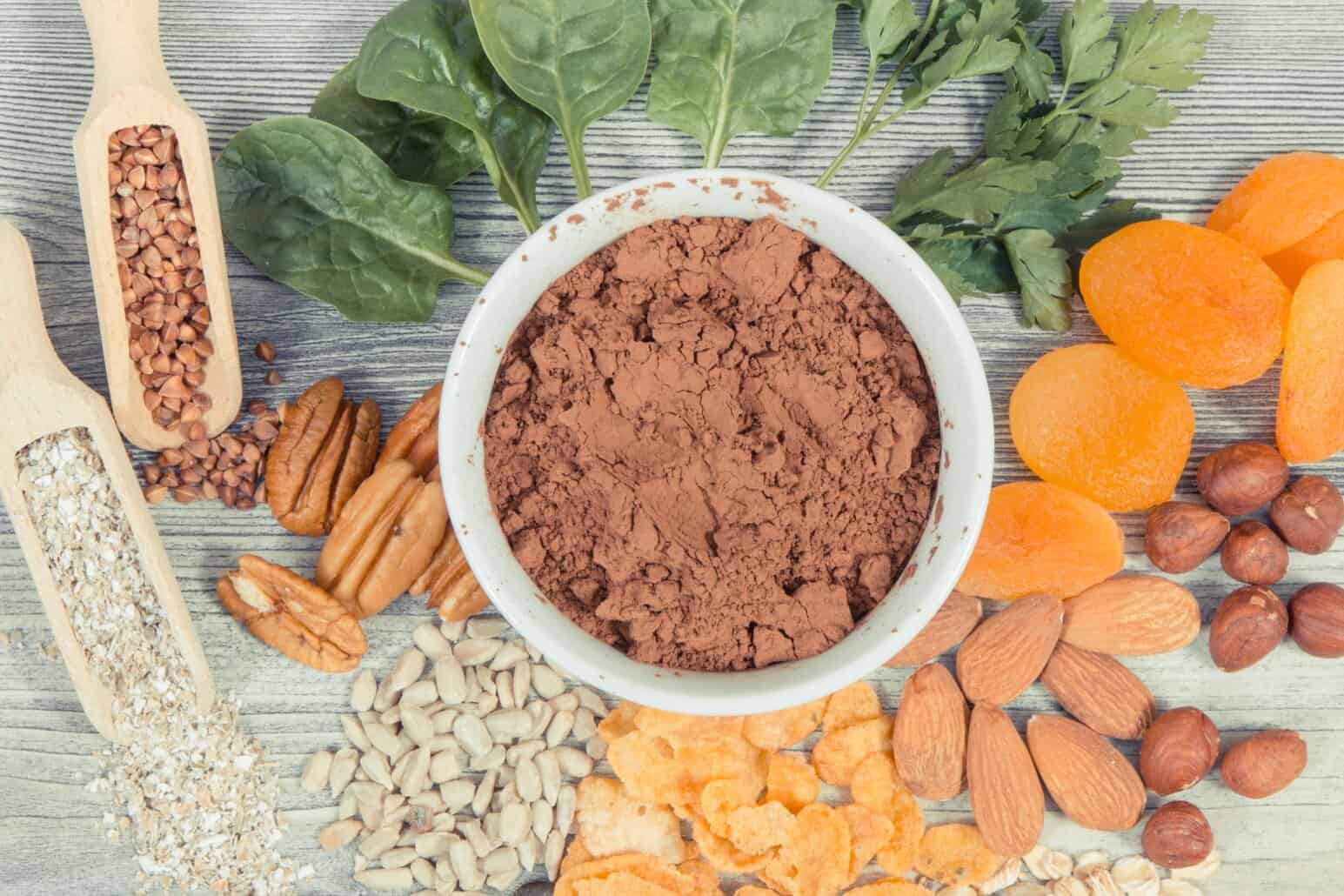
NutriFusion food ingredients with powder in a bowl, surrounded by nuts, seeds, dried fruit, and leafy greens.

Fruit and vegetable powders can serve as the engine of a high-quality greens powder. They can deliver measurable vitamins, minerals, and antioxidants from real foods, not just marketing claims. NutriFusion’s GrandFusion blends are plant-based, made with no synthetics, and designed for minimal sensory impact. A 450 mg serving can provide 100% of the Daily Value for six essential vitamins.

Brands can customize blends to match specific nutritional goals. Need more vitamin C or carotenoids? We can adjust the fruit and vegetable content in the formula. This supports clear, effective products.

We can think of it like a car: the powder is the engine doing the heavy lifting. Flavors, textures, and packaging are the bodywork. With real fruit and vegetable powders, products can be formulated efficiently and deliver nutrition that customers can trust.

Turn Superfood Greens Hype Into Real Nutrition

Superfood powders work only when built on real fruits and vegetables, and transparent dosing. Low-dose blends and marketing hype do little for customers or brand credibility.

We can use the red-flag list and the positive checklist to spot quality products. It helps to review ingredients, nutrient levels, and third-party verification. These simple steps help protect time, budget, and trust.

NutriFusion® provides nutrient-dense fruit and vegetable powders and custom blends. Brands can design clean-label formulas with meaningful micronutrient content. Customers get clear nutrition, and brands gain credibility.

Explore NutriFusion® Custom Superfood Powder Blends to create products built on real food. Let’s build formulas we can stand behind.


NutriFusion

NutriFusion develops all‐natural fruit and vegetable powders that are nutrient-dense, for when you do not have access to fresh produce, and even when you do, to improve your vitamin intake. Sourcing only whole, non-GMO foods, NutriFusion offers consumers a concentrated blend of micronutrient- and phytonutrient-rich ingredients. With a farm-to-table philosophy, NutriFusion’s proprietary process stabilizes nutrients in perishable fruits and vegetables, enabling a longer shelf life and access to vital nutrients.

NutriFusion fruit and/or vegetable powders are for use in foods, beverages, supplements, and pet foods. NutriFusion can help! Visit us at www.nutrifusion.com.


References

  1. Wikipedia. 2025. Superfood. https://en.wikipedia.org/wiki/Superfood
  2. Healthline. 2025. Super Greens: Benefits, How to Choose, and More. https://www.healthline.com/nutrition/super-greens
  3. Best Green Powder. 2025. Old Home 4. https://www.bestgreenpowder.com/old-home-4
  4. National Geographic. 2025. Super Greens: Health Effects and Benefits. https://www.nationalgeographic.com/health/article/super-greens-health-effects-benefits
  5. SupplySide Supplement Journal. 2025. Superfoods or Superhype? https://www.supplysidesj.com/claims/superfoods-or-superhype-
https://nf.simplygrandproperties.com/wp-content/uploads/2026/01/nutrifusion-vegetable-powder-.jpg 1030 1545 NF Admin https://nf.simplygrandproperties.com/wp-content/uploads/2022/05/NutriFusion-Logo-New-1030x251.png NF Admin2026-01-07 14:04:582026-01-07 14:04:58Superfood Powders Exposed: How to Spot Real Nutrition vs. Marketing Hype

Vitamin D3 Explained: Real Food vs. Synthetic Vitamins (And Why Your Label Matters)

in Consumer Packaged Goods, Food Business, Food Retail, Health & Nutrition

Vitamin D3 is often called the “sunshine vitamin,” but many people still fall short, even with fortified foods or supplements. You might think a glass of milk or a daily capsule is enough, yet gaps remain. This matters because vitamin D3 supports your bones, muscles, and immune system. It also shows up on labels that confuse many consumers and product developers alike.

In this blog, we will unpack what vitamin D3 is, where it comes from in real food, how synthetic versions differ, and why clean-label, food-based solutions are becoming a must for modern brands. You will also learn how to read labels like a pro and make formulation choices that your customers can trust.

What Is Vitamin D3 and Why It Matters

Vitamin D3, or cholecalciferol, is more than a vitamin. It acts like a prohormone. Your body makes it when your skin is exposed to UVB sunlight. Once metabolized, it helps your body absorb calcium and phosphorus, keeping bones strong and muscles functioning properly. It also plays a role in normal immune function.

Vitamin D deficiency is common in many populations. The recommended daily intake is 600–800 International Units (IU) for most adults, and older adults often need more. Understanding what vitamin D3 is matters for you as a consumer or a product developer. Labels that say “natural vitamin D3” or “vitamin D from food” are not just marketing; they signal quality and transparency.

Vitamin D3 From Food and Common Dietary Gaps

Getting enough vitamin D from food alone is tricky. Most foods barely have a small amount, so it is easy to fall short. 

  • Fatty fish like salmon, mackerel, or sardines pack more vitamin D, and cod liver oil is another classic source.
  • Egg yolks, certain meats, and dairy help too, but they rarely fill the gap completely.
  • For plant-based diets, the options are slowly growing. UV-exposed mushrooms, some biofortified foods, and vegan D3 from lichen can help bridge the gap.
  • Fortified foods like milk, plant-based milks, juices, and cereals play a role as well, yet even then, most people do not reach their target.

That is why smart fortification or careful supplement design matters. It is not just numbers. It is about making nutrition work in the real world.

Natural Vitamin D3 vs Synthetic: What Those Labels Really Mean

Natural vitamin D3 usually comes from food sources, such as lichen or mushrooms, with minimal processing. Synthetic vitamin D3 is chemically produced from precursor compounds.

Research shows D3 generally raises blood levels more effectively than D2. When comparing natural versus synthetic D3, the difference in clinical outcomes is subtle. Many consumers, however, care about the source. “Nutrients created by nature, not the lab” resonate more than chemical names on a label.

Seeing “from lichen” on a vegan supplement can signal a more natural option. Labels matter not only for compliance but for building trust with our customers. A simple source statement can speak volumes.

Why Food-Based Vitamin D Matters for Clean Labels

Whole vegetables, including beetroot, broccoli, mushrooms, ginger, tomatoes, and leafy greens, arranged on a dark surface.

Today, shoppers want ingredients they recognize. Short lists, plant-based nutrients, and non-GMO sources are no longer optional. Food-based vitamin D checks all those boxes.

When derived from fruits, vegetables, or fungi, it delivers nutrients without synthetic isolates. NutriFusion’s GrandFusion blends help stabilize naturally occurring vitamins and minerals, including vitamin D from plant-based sources. No synthetics. No additives. That means you can enhance nutrition while keeping your label credible and straightforward.

Safety and quality expectations matter in formulation. NutriFusion supports manufacturers with GrandFusion blends designed for clean-label fortification across food, beverage, nutraceutical, and pet applications. Manufacturers gain confidence when a clean-label replacement avoids recipe overhauls while maintaining nutritional value. Small changes can make a meaningful impact.

How to Read Vitamin D Claims on Ingredient Labels

Reading vitamin D labels can feel like decoding a secret. IU, micrograms, D2, and D3. If you are staring at a bottle wondering what it all means, let’s simplify it.

Understand Units, Forms, and Daily Values

IU stands for International Units. One IU equals 0.025 micrograms. Percent Daily Value shows how much a serving contributes to your Daily Value. D3 is often associated with more substantial increases in vitamin D status, though some plant-based products use D2 or vegan D3. Think of it like pouring milk into a cup. You want the right amount, not too little or too much.

Spot Real Food vs Synthetic Vitamin D

Source matters. “From lanolin” typically signals an animal-derived source. “From lichen” or “from shiitake mushrooms” can signal plant-based sourcing. Phrases like “no synthetics” or “nutrients created by nature, not the lab” can support transparency. A glance at the back-of-pack often tells you more than the front label alone.

Next time you shop, it helps to look beyond the numbers. Focus on sources you recognize and labels you can trust. That can make the decision more straightforward.

Formulating With Plant-Based Vitamin D: A Roadmap for Food, Beverage, and Supplement Brands

Vitamin D presents challenges. Off-tastes, stability issues, overages, and performance through heat, freezing, or processing can complicate product development.

GrandFusion blends simplify this. We can incorporate GrandFusion plant-based nutrient blends into foods, beverages, and nutraceutical formats with minimal sensory impact, supporting clean-label fortification with fewer texture or taste concerns. They are heat-stable and can help maintain mouthfeel, making formulations easier to manage.

Plant-based vitamin D is available in many formats: nutraceutical capsules, drink mixes, yogurts, frozen meals, kids’ snacks, and pet formulas. Using food-based D3 can help keep labels recognizable and straightforward. Clean-label nutrition is not a fad. It is a competitive advantage.

Build Trust With Real Food Vitamin D3

NutriFusion mushroom powder in a wooden bowl with a scoop, shown alongside dried mushrooms.

People care about the source, not just how much is in it. If your labels say your vitamin D comes from actual foods like fruits, veggies, or mushrooms, people will trust you more. If you mix that with easy-to-read labels and clear dosing info, your brand will gain fans and keep them.

We can add NutriFusion® GrandFusion® blends, which are non-GMO, plant-based, and made without synthetics. The result is products that meet modern expectations for nutrition and integrity.

We have seen how this approach can strengthen customer loyalty. When people know where their nutrients come from, they feel confident choosing your products. GrandFusion® blends make it easier to deliver plant-based, non-GMO vitamin D without synthetics in foods, beverages, supplements, and pet products. Working with solutions built for clean labels helps manufacturers align with clean-label trends while offering nutrients people recognize and trust.

Explore NutriFusion®’s GrandFusion® 6 Nutrient Vegetable Blend 50 (NF-2770) to deliver plant-based vitamin D with labels customers can trust.


NutriFusion

NutriFusion develops all‐natural fruit and vegetable powders that are nutrient-dense, for when you do not have access to fresh produce, and even when you do, to improve your vitamin intake. Sourcing only whole, non-GMO foods, NutriFusion offers consumers a concentrated micronutrient and phytonutrient-rich food ingredient blend. With a farm-to-table philosophy, NutriFusion’s proprietary process stabilizes the nutrients from perishable fruits and vegetables, allowing a longer shelf life and access to vital nutrients.

NutriFusion fruit and/or vegetable powders are for use in foods, beverages, supplements, and pet foods. NutriFusion can help! Visit us at www.nutrifusion.com.


References

  1. National Institutes of Health. 2025. Vitamin D — Health Professional Fact Sheet. Office of Dietary Supplements. https://ods.od.nih.gov/factsheets/VitaminD-HealthProfessional/
  2. PubMed. 2012. “Vitamin D3 Is More Effective Than Vitamin D2 in Raising Serum 25-Hydroxyvitamin D Levels.” PubMed. https://pubmed.ncbi.nlm.nih.gov/22552031/
  3. U.S. Food and Drug Administration. 2025. GRAS Notice GRN 690: Fruit and Vegetable Vitamin Extract. https://www.fda.gov/files/food/published/GRAS-Notice-GRN-690-Fruit-and-vegetable-vitamin-extract.pdf
https://nf.simplygrandproperties.com/wp-content/uploads/2026/01/vitamin-d3-arranged-d3.jpg 1030 1545 NF Admin https://nf.simplygrandproperties.com/wp-content/uploads/2022/05/NutriFusion-Logo-New-1030x251.png NF Admin2026-01-02 11:18:532026-01-02 11:18:53Vitamin D3 Explained: Real Food vs. Synthetic Vitamins (And Why Your Label Matters)

Are Frozen Fruits Healthy? The Truth About Fruit Powders in Your Smoothies and Snacks

in Health & Nutrition

A smoothie we all love typically features bright berries, perfectly cubed mango, and fresh greens. Now consider what goes into most smoothies and snack formulations. Frozen fruit. Freeze-dried inclusions. Fruit powders. That contrast leads many people to pause and ask: Are frozen fruits healthy?

If you develop food, beverage, or nutrition products, you hear this question often. Your customers want real fruit nutrition. You need ingredients that scale, last, and fit clean-label expectations. So let’s take a closer look at the facts.

In this blog, we will examine the nutritional value of frozen fruit, the benefits of freeze-dried fruit, and the real role of fruit powders in smoothies and snacks. We will also share how whole-food ingredient solutions can help you deliver transparent, plant-based nutrition in modern formats.

What People Really Mean by “Are Frozen Fruits Healthy?”

Most people are not questioning frozen fruit itself, but rather how its nutritional value changes after processing. Frozen fruit is typically harvested at peak ripeness. It is washed, prepared, and frozen shortly after harvest. This quick process helps preserve vitamins, minerals, fiber, and antioxidants.

Research consistently shows that frozen fruit can deliver nutritional value similar to that of fresh fruit. In some cases, however, it performs better than fresh produce that spends extended time in transport or storage. That said, not all nutrients behave the same way. Some vitamins, such as vitamin C, are sensitive to oxygen and time. That is why storage conditions matter.

So the honest answer is not a simple yes or no. Frozen fruit is a healthy option when sourcing, handling, and formulation choices are managed well.

Myth #1: Frozen Fruit Is Less Nutritious Than Fresh

Fresh fruit feels more natural. Frozen fruit feels processed. So you assume fresh is better.

Fresh fruit can seem like the better choice, but the evidence is more balanced. Frozen fruit is usually harvested at peak ripeness and frozen soon after, which helps retain nutrients.

Fresh fruit may spend days in transit and storage, and some nutrients decline over time. In most cases, frozen and fresh fruit offer comparable nutrition. Fiber stays intact, supporting fullness and digestion.

The real concern is not freezing. It is what may be added. Sugary syrups and sweetened blends can shift the nutritional profile. The takeaway is simple. Plain frozen fruit is a strong option when the ingredient list stays clean.

Myth #2: Fruit Powders Are Just Sugar, Not Real Fruit

NutriFusion fruit powders beside bowls with berries and fresh figs on a blue surface.

Fruit powders are often grouped together, which can cause confusion. High-quality fruit powders begin with real fruit. The fruit is dried, water is removed, and then it is milled into powder. This concentrates nutrients, creating real advantages for manufacturers.

These powders are shelf-stable, easy to store, and simple to dose. Small amounts can deliver vitamins, minerals, and bioactive compounds in smoothies, bars, and ready-to-mix drinks.

What matters most is transparency. Some powders lose fiber and can be calorie-dense on a weight basis. Pure fruit powders are very different from blends bulked up with sugar, maltodextrin, flavors, or fillers. Those additions are what give fruit powders a bad reputation.

Freeze-Dried Fruit Benefits and Practical Tradeoffs

Freeze-dried fruit sits between fresh, frozen, and powdered options. The fruit is frozen, then vacuum-dried to remove water while preserving its structure. This process retains much of the original vitamins, minerals, and phytochemicals. It also delivers a long shelf life without the use of preservatives.

The result is bold flavor and a light, crunchy texture. That is why brands use it in snacks, cereal toppings, and premium smoothies.

There are trade-offs. Freeze-dried fruit costs more than frozen or powdered forms. Without water, sugars concentrate, so portions matter. Many brands blend formats. Freeze-dried fruit adds texture, powders support nutritional goals, and frozen fruit provides volume.

Fruit Powder vs Fresh Fruit in Product Formulation

This comparison often arises in formulation discussions, but it oversimplifies the issue. Fresh fruit excels at providing water, volume, and a familiar eating experience. It supports satiety, looks appealing on the pack, and signals freshness to shoppers.

Fruit powders solve different problems. They are shelf-stable, easy to store, and simple to dose with precision. That makes them easier to work with at scale, especially when seasonality or supply variability is a concern.

They also perform where fresh fruit struggles. Think bars, baked snacks, dry blends, and ready-to-mix beverages. So this is not a choice between fresh fruit and fruit powders. It is about using each format where it makes the most sense. 

How Fruit Powders Are Used in Smoothies and Snacks

Fruit powders support convenience and nutrition in product development, for smoothies and ready-to-mix (RTM) beverages. Powders eliminate peeling, washing, and fruit waste. They provide consistent flavor, color, and nutrient content, making production smoother and more reliable.

For snack bars, bites, or fruit-leather-style products, fruit powders can:

  • Reduce some added sugar while delivering natural sweetness.
  • Add vibrant color and fruit flavor with minimal added processing.
  • Deliver vitamins, minerals, and antioxidants in small, manageable amounts.

Powders made from whole fruits and vegetables make clean labels clearer. You can say “made from real fruits and vegetables,” not just “natural flavors.” NutriFusion® GrandFusion® blends support nutrient-dense, shelf-stable smoothies, bars, and snacks with transparent ingredient lists.

Ingredient Transparency in Frozen and Fruit Powder Choices

When it comes to frozen, freeze-dried, or powdered fruit, transparency is more than a buzzword. It is how you build trust with your customers. For frozen fruits, the simplest label often tells the biggest story:

  • Single-ingredient: Strawberries” or “Mango,” without added syrups or sweeteners.
  • Origin and handling: Determine whether the fruit is ready-to-eat or intended for cooking.

Freeze-dried fruits deserve similar attention:

  • Check for 100% fruit without oils, sugars, or other additives.
  • Be mindful of portion sizes. Removing water makes them more calorie- and sugar-dense on a per-gram basis.

For fruit powders and blends:

  • Confirm they are truly derived from whole fruits and vegetables.
  • Avoid fillers, carriers, or synthetic vitamins.

Clear labels and simple ingredient lists make it easier to position fruit powders credibly. Statements such as “made with real fruit,” “plant-based nutrients,” and “non-GMO” can help brands communicate quality, transparency, and nutrition to consumers.

How NutriFusion Supports Whole-Fruit Nutrition at Scale

At NutriFusion, we source high-quality fruits and vegetables and turn them into nutrient-dense powders. GrandFusion blends make it easy to add whole-food fruit nutrition to smoothies, RTM beverages, bars, and better-for-you snacks while preserving flavor and key nutrients.

Example blends:

  • 6 Nutrient Fruit Blend (NF-2771): Orange, banana, papaya, and shiitake mushroom.
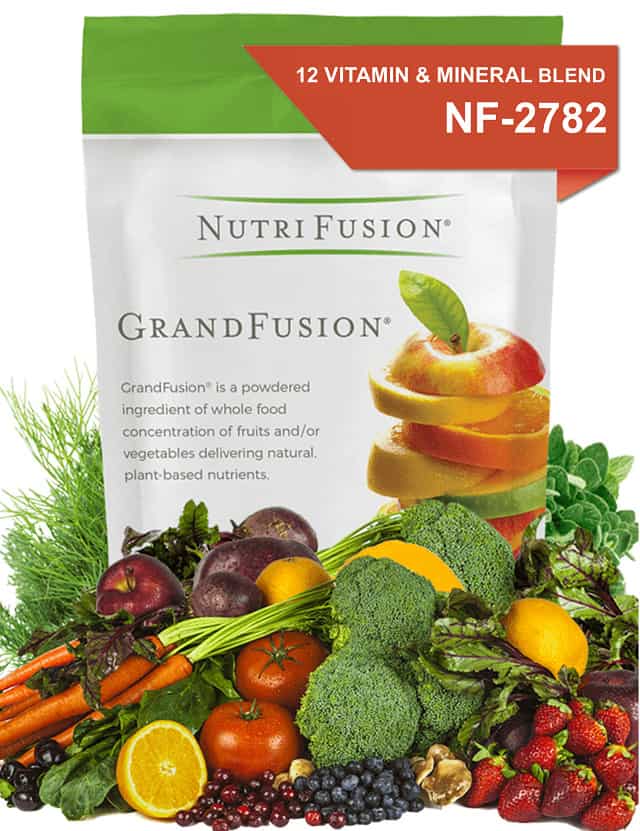
  • 6 & 12 Nutrient Fruit and Vegetable Blends (NF-2769, NF-2782): Spinach, broccoli, carrot, sweet potato, apple, strawberry, and seeds.

Each 450 mg serving can provide 100% of the Daily Value for key vitamins, with no synthetic additives.

NutriFusion 6 Nutrient Blend Fruits whole fruit powder supporting smoothies snacks and clean label nutrition

6 Nutrient Fruit Blend | NF-2771

Add to cart

NutriFusion 6 Nutrient Blend Fruits Vegetables plant based fruit and veggie powder for balanced nutrition

6 Nutrient Fruit & Vegetable Blend | NF-2769

Add to cart

NutriFusion 12 Nutrient Blend Fruit Vegetables nutrient dense whole food powder for smoothies and snacks

12 Nutrient Fruit & Vegetable Blend | NF-2782

Add to cart

Turn Frozen Fruit Myths Into Real-Food Innovation 

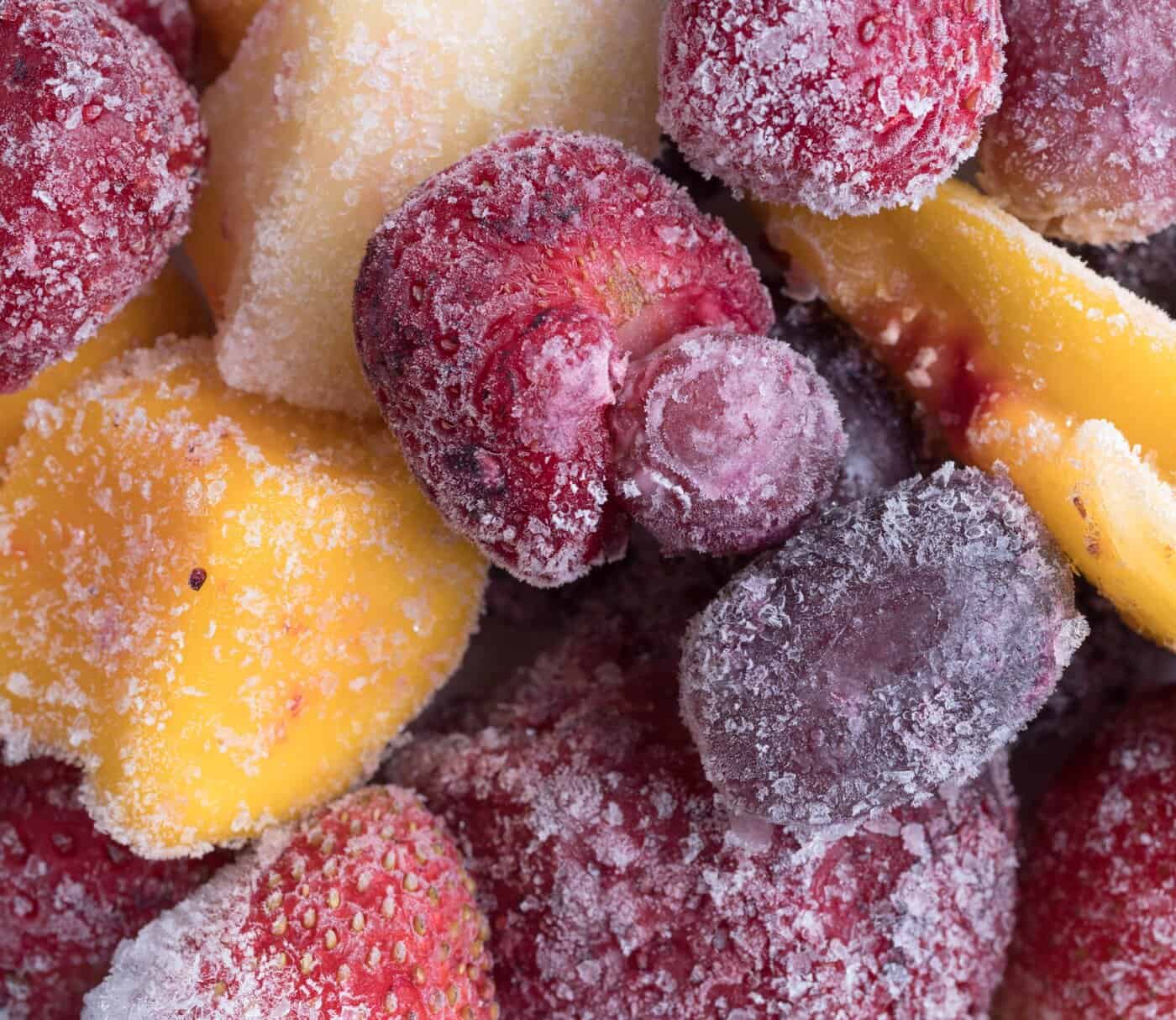
 Frozen fruit mix showing strawberries, mango slices, used in GrandFusion blends.

Frozen fruit myths confuse brands and shoppers alike. The truth is simple. Plain frozen and freeze-dried fruits retain most of their vitamins, minerals, and fiber. Fruit powders made from whole fruit can help carry that nutrition into shelf-stable products like smoothies, bars, and snacks.

For brands, the goal is not to choose between formats. It is using the right mix to deliver clear labels and real nutrition. That is where NutriFusion GrandFusion blends fit, making it easy to add whole-food, plant-based nutrition to smoothies, RTM mixes, bars, and better-for-you snacks while supporting taste and functionality.

Turn frozen fruit questions into confident labels with NutriFusion® GrandFusion® blends in smoothies and snacks.


NutriFusion

NutriFusion develops all‐natural fruit and vegetable powders that are nutrient-dense, for when you do not have access to fresh produce, and even when you do, to improve your vitamin intake. Sourcing only whole, non-GMO foods, NutriFusion offers consumers a concentrated micronutrient and phytonutrient-rich food ingredient blend. With a farm-to-table philosophy, NutriFusion’s proprietary process stabilizes the nutrients from perishable fruits and vegetables, allowing a longer shelf life and access to vital nutrients.

NutriFusion fruit and/or vegetable powders are for use in foods, beverages, supplements, and pet foods. NutriFusion can help! Visit us at www.nutrifusion.com.


References

  1. Food to Live. n.d. “The Difference Between Fruit Powders and Fresh Fruit.” https://foodtolive.com/healthy-blog/the-difference-between-fruit-powders-and-fresh-fruit/
  2. Healthline Editorial Team. n.d. “Dried Fruit: Good or Bad?” Healthline.https://www.healthline.com/nutrition/dried-fruit-good-or-bad
  3. Shreeji Foods. n.d. “Difference Between Fruit Powder and Fresh Fruits.” Shreeji Foods Blog. https://shreejifoods.in/blogs/articles/difference-between-fruits-powder-and-fresh-fruits
https://nf.simplygrandproperties.com/wp-content/uploads/2025/12/smoothie-topped-with-fruits.jpg 1050 1400 NF Admin https://nf.simplygrandproperties.com/wp-content/uploads/2022/05/NutriFusion-Logo-New-1030x251.png NF Admin2025-12-31 15:27:082025-12-31 15:27:08Are Frozen Fruits Healthy? The Truth About Fruit Powders in Your Smoothies and Snacks

Real Foods vs. Processed: How Clean Label Ingredients Are Changing the Game

in Health & Nutrition

On a crowded retail shelf, shoppers often compare two similar products. One carries a long list of additives, preservatives, and synthetic nutrient sources. The other highlights “100% real foods,” “plant-based sources of nutrients,” and “no GMOs,” and that is the one that goes into the cart.

Manufacturers see these choices every day while still needing products that are safe, scalable, and convenient. In this blog, we’ll look at what separates real foods from processed foods, how clean label expectations are reshaping formulations, and how plant-based, non-GMO NutriFusion real food-derived nutrient systems support product performance and long-term nutritional health.

Real Foods vs. Processed: What’s the Difference

Real foods are whole or minimally processed edible parts of plants, animals, and fungi that retain their natural structure and nutrients. Think fresh fruits and vegetables, whole grains, eggs, unflavored dairy, nuts, seeds, and minimally processed meats. These real foods usually have short ingredient lists, often just one ingredient, and deliver higher-quality nutrition, including fiber, vitamins, minerals, and phytonutrients.

Processed foods exist on a spectrum. Minimally processed options include washing, freezing, drying, fermenting, or pasteurizing to extend shelf life while preserving most of the original nutritional value. Ultra-processed foods, by contrast, are built from industrial formulations with refined ingredients, added sugars, unhealthy fats, salt, and multiple additives that resemble home-cooked food less and less.

Clean label ingredient systems now give manufacturers a way to rethink processed foods, so they behave more like real foods nutritionally and on the label, without abandoning processing entirely.

Why Real Foods Matter for Long-Term Health

Non-GMO fruits and vegetables showing real food sources for NutriFusion plant-based nutrient powders.

The real food movement is grounded in long-term health research rather than short-lived trends. Eating patterns rich in whole or minimally processed foods such as fruits, vegetables, legumes, nuts, seeds, and whole grains have consistently been associated with lower risk of a range of chronic disease outcomes. By contrast, higher intakes of ultra-processed foods have been associated with increased risk of obesity and other adverse health outcomes in large population studies.

Processing is a vital part of making food safe, moving it through the supply chain, distributing it globally, and providing convenience. The problem occurs when food products combine low nutritional density with excess refined carbohydrates, added sugars, unhealthy fats, and large numbers of synthetic additives.

As formulators, we want to provide the advantages that come with processing food while maintaining the label-friendly attributes of real food ingredients. This means utilizing nutrient-dense, plant-forward design, easy-to-understand ingredient labels, and modern clean-label systems that use real foods to source nutritious blends.

Clean Label: Bringing Real Food Principles Into Processed Products

Although the term clean label is not legally defined, it is generally understood as products that are created with only natural ingredients, without added synthetic substances or artificial flavors, preservatives, or similar additives. Often, they meet the criteria of being non-GMO, plant-based, or sourced from organic ingredients.

The primary purpose of a clean label is transparency. To do this effectively, a clean label requires manufacturers to:

  • Use fewer ingredients on the ingredient panel.
  • Use simpler, more recognizable ingredients.
  • Utilize real food components such as fruits, vegetables, nuts, seeds, herbs, and whole grains.

Consumers associate clean label with trust, and that trust strongly influences purchasing decisions alongside other ethical and environmental values. Providing clean-label products consistently across a variety of manufactured goods is well supported by the use of plant-based nutrient ingredients and non-GMO, non-synthetic ingredients. Plant-based nutrients and non-GMO ingredients help fill this requirement. They allow us to use real food nutrients to make processed foods without affecting texture, flavor, process efficiency, or shelf life.

NutriFusion helps fulfill this role. Our business is based on providing manufacturers and brands access to a full range of nutrient systems derived directly from fruit and vegetable sources while maintaining both clean labeling and operational efficiency.

New Standards of Plant-Based Nutrients and Non-GMO Ingredients

Plant-based nutrients such as vitamins and minerals, fiber, and phytonutrients (naturally occurring compounds in plants) have become a foundation for many modern formulations, which often favor them over purely synthetic fortification. Research across many populations associates plant-based nutrition with improved cardiometabolic markers, healthier weight management patterns, and reductions in key risk factors for cardiometabolic disease.

Alongside this shift toward plant-based nutrition is an increase in consumer demand for non-GMO ingredients. Many consumers view non-GMO ingredients as a proxy for safety, higher quality, and natural sourcing. In response, ingredient suppliers are increasingly promoting non-GMO, natural, minimally processed ingredients as part of clean label strategies.

The future of processed foods for manufacturers will utilize NutriFusion’s proprietary plant-based, non-GMO nutrient systems that provide a real-food experience while enhancing nutritional profiles. NutriFusion fruit and vegetable-based blends are creating opportunities for brands to improve their nutrition facts panels and ingredient lists by using ingredients that are as close to real food quality as possible.

NutriFusion’s Approach From Real Foods to Real Food Ingredients

Colorful fruits and vegetables showing whole-food ingredients used in NutriFusion nutrient blends.

At NutriFusion, we operate under a straightforward principle: real food and real food nutrition. Using only whole, non-GMO-sourced fruits and vegetables as our starting point, NutriFusion has developed concentrated blends that capture key vitamins, minerals, and phytonutrients naturally found in fruits and vegetables.

All NutriFusion nutrient blends are 100% plant-based, providing plant-based nutrition for use in supplements, foods, beverages, and pet food. As a result, NutriFusion blends can be formulated without doubtful or unrecognizable ingredients.

NutriFusion’s GrandFusion nutrient blends for supplements provide several benefits to manufacturers, including:

  • Real fruits and vegetables provide 100% plant-based nutrition
  • Recognizable ingredients that support clean ingredient statements
  • No synthetic additives or preservatives
  • Low sensory impact to help maintain taste and texture
  • High potency, with 450 milligrams providing 100% of the daily value of key nutrients
  • Heat stability, formulated to withstand high heat and other demanding manufacturing processes while helping preserve nutrient levels
  • Potential for improved shelf life from the natural antioxidants in NutriFusion blends

NutriFusion’s GrandFusion blends enable manufacturers to use processing to deliver real food nutrition in processed products such as snacks, drinks, cereals, snack bars, supplements, and pet food while maintaining manufacturing efficiency.

R&D Guide to Apply Real-Food, Clean-Label Ingredients in Processed Foods

We recommend a structured approach to integrating real food nutrition into processed categories through your research and development, formulation, and innovation teams as follows:

  1. Identify what “real food” means for your brand. Is your target plant-forward, non-GMO, nutrition derived from fruits and vegetables, or transparency for families? This will guide which ingredients you select, which claims you make, and how you communicate them.
  2. Review your products. Evaluate existing formulations to see where the use of synthetic vitamins, artificial colors, artificial flavors, and long ingredient lists detracts from your opportunity to achieve a clean label.
  3. Change to plant nutrient systems. NutriFusion’s GrandFusion products consolidate vitamins and phytonutrients from fruits and vegetables into one powdered ingredient, eliminating duplicate SKUs and improving overall ease of use. Additionally, they can significantly improve the clarity and readability of the label.
  4. Build for performance during processing. Select ingredients that will withstand the rigors of high heat, extrusion, baking, pasteurization, and extended shelf life. GrandFusion’s products are formulated to withstand robust manufacturing conditions and support long shelf life while helping preserve nutritional value.
  5. Communicate benefits in clear, compliant, legible language, such as vitamins from fruits and vegetables, plant-based nutrients, made with non-GMO ingredients, no synthetics, and simple ingredients.

This approach helps enhance consumer trust while supporting regulatory compliance.

Building the Future of Processed Foods With Real Food Nutrition

The distinction between whole foods and processed foods will continue to shape how people think about what they eat. With the use of clean label ingredients, plant-based nutrients from fruits and vegetables, and non-GMO ingredient systems, manufacturers can help shift perceptions of processed food toward options that better align with how consumers eat today and what they expect from real foods.

As an innovator, we at NutriFusion® support that transformation. Using GrandFusion® fruit- and vegetable-derived nutrient blends, food and beverage manufacturers can enhance the nutritional content and label quality of products ranging from snack items to baked goods, beverages, cereals, supplements, pet food, and more, helping to avoid costly reformulation and sensory trade-offs.

Explore NutriFusion® Whole-Food Nutrient Blends to power your next clean label launch.


NutriFusion

NutriFusion develops all‐natural fruit and vegetable powders that are nutrient-dense, for when you do not have access to fresh produce, and even when you do, to improve your vitamin intake. Sourcing only whole, non-GMO foods, NutriFusion offers consumers a concentrated micronutrient and phytonutrient-rich food ingredient blend. With a farm-to-table philosophy, NutriFusion’s proprietary process stabilizes the nutrients from perishable fruits and vegetables, allowing a longer shelf life and access to vital nutrients.

NutriFusion fruit and/or vegetable powders are for use in foods, beverages, supplements, and pet foods. NutriFusion can help! Visit us at www.nutrifusion.com.


References

  1. The Guardian. 2025. “Ultra-Processed Food Linked to Harm in Every Major Human Organ, Study Finds.” The Guardian, November 18. https://www.theguardian.com/society/2025/nov/18/ultra-processed-food-linked-to-harm-in-every-major-human-organ-study-finds .
  2. Harvard T.H. Chan School of Public Health. 2025. “Processed Foods and Health.” The Nutrition Source. https://nutritionsource.hsph.harvard.edu/processed-foods/ .
  3. Fang, Z., et al. 2024. “Association of ultra-processed food consumption with all-cause and cause-specific mortality: results from prospective cohort studies.” BMJ 385: e078476. https://doi.org/10.1136/bmj-2023-078476.
  4. Scrinis, G., and D. Monteiro. 2025. “Towards unified global action on ultra-processed foods.” The Lancet (Comment/Series). https://doi.org/10.1016/S0140-6736(25)01567-3.
  5. Harvard Health Publishing. 2023. “Clean Eating: The Good and the Bad.” Harvard Health Blog, April 14. https://www.health.harvard.edu/staying-healthy/clean-eating-the-good-and-the-bad .
  6. Meticulous Research. 2025. Clean Label Ingredients Market – Growth, Trends, and Forecasts (2025–2032). Industry report. https://www.meticulousresearch.com/product/clean-label-ingredients-market-5588
  7. FoodChain ID. 2024. Clean-Label Trends: A Global Perspective. White paper. https://www.foodchainid.com/resources/clean-label-trends-a-global-perspective/
https://nf.simplygrandproperties.com/wp-content/uploads/2025/12/vibrant-fruits-vegetables.jpg 1030 1416 NF Admin https://nf.simplygrandproperties.com/wp-content/uploads/2022/05/NutriFusion-Logo-New-1030x251.png NF Admin2025-12-26 20:12:212025-12-26 20:12:21Real Foods vs. Processed: How Clean Label Ingredients Are Changing the Game

Sugar Consumption: A Potentially Dangerous Dance with Addiction

in Beverages & Drinks, Food Business, Food Retail, Health & Nutrition, Kid's Health
Read more
https://nf.simplygrandproperties.com/wp-content/uploads/2025/12/Sugar-Consumption.jpg 485 675 NF Admin https://nf.simplygrandproperties.com/wp-content/uploads/2022/05/NutriFusion-Logo-New-1030x251.png NF Admin2025-12-21 22:11:312025-12-21 22:11:31Sugar Consumption: A Potentially Dangerous Dance with Addiction

Vegetable Powder 101: Clean-Label Nutrition for Food and Drink Manufacturers

in Health & Nutrition

Clean-label and plant-forward demand is reshaping how food and drink manufacturers think about formulation. Vegetable powders have moved from niche ingredients to core tools for product innovation, now showing up in savory sauces, soups, smoothies, snack bars, and ready-to-drink beverages. They let teams add meaningful nutrition without the logistics of fresh produce or the consumer concerns that surround synthetic ingredients.

In this blog, we will explain how vegetable powder and fruit powder work, outline the market forces that push their sales upward, plus show how plain vegetable powders, plain fruit powders, and blends that contain both vegetables but also fruit help developers build the next wave of better-for-you foods.

Vegetable Powder Basics: What It Is and How It’s Made

Vegetable powder is made by dehydrating vegetables and milling them into a fine, shelf-stable ingredient. Producers use hot-air drying, spray drying, freeze drying, or other dehydration technologies to remove most of the water. Fruit powder follows a similar process and often begins with juices, purees, or whole fruit that are gently dried to maintain color, flavor, and key nutrients.

For manufacturers, these powders offer practical advantages. They are compact and easy to transport. They hold a long shelf life and help reduce waste when compared with fresh produce. Their concentrated format supports consistent dosing across dry mixes, liquid systems, and extruded foods, which helps streamline blending and quality control.

NutriFusion sources first-grade fruits and vegetables and converts them into powders that retain meaningful levels of micronutrients and phytonutrients for use in food, beverage, supplement, and pet food applications.

Market and Consumer Drivers for Vegetable and Fruit Powders

There is significant growth momentum within the global fruit and vegetable powder sector. By 2025, the global fruit and vegetable powder market is projected to be valued at more than US $19 billion, with steady growth expected through 2032. Vegetable powder ingredients alone are projected to reach roughly US $3.6 to $5.8 billion between 2025 and 2032, supported by an expected growth rate of 7% or higher. 

Consumer behavior is a central force behind this momentum. Many shoppers prefer natural, plant-based ingredients that support overall wellness. Busy lifestyles encourage interest in convenient, shelf-stable nutrition.

Sustainability concerns also guide consumers toward value-added uses of the harvest, which include powders that help reduce waste. For manufacturers, these powders offer a scalable path to meet these expectations without relying solely on synthetic fortification.

Clean-Label Nutrition: Why Powders Fit Food and Drink Formulations

NutriFusion vegetable juice and smoothie displayed with fresh produce on a shelf.

Clean-label now shapes how many consumers evaluate foods and drinks. They look for short ingredient lists, recognizable components, limited artificial inputs, and clarity about where ingredients come from and how they are processed.

Vegetable powder and fruit powder fit these expectations well. They can replace or complement synthetic vitamin premixes with real food ingredients that contribute natural color, flavor, and measurable nutrition in a single line item. When used at appropriate inclusion levels and in line with regulations, they may also support on-pack statements such as “with vitamins from fruits and vegetables.”

Our GrandFusion vegetable blends, fruit blends, and combined fruit and vegetable blends are plant-based, non-GMO, and contain no synthetic additives or preservatives. We help R&D teams strengthen the nutrition panel while keeping the ingredient deck clean and familiar.

Where Vegetable and Fruit Powders Can Add Value

Vegetable and fruit powder now appears across many core food and beverage categories. In beverages, they support solid drink mixes, smoothies, juices, and ready-to-drink formats, helping keep flavor and color close to fresh produce while avoiding pulp separation and cold-chain pressure.

In bakery and snack items such as cakes, biscuits, breads, bars, and extruded snacks, powders contribute appealing color, aroma, taste, and added nutrition in a format that is easy to scale. Sauces, soups, ready meals, and baby foods use vegetable powder as a concentrated, easy-to-dose base that supports consistent formulation.

Our GrandFusion blends are used in similar ways in plant-based meats, baked goods, pasta, cereal, yogurt, frozen foods, nutrition bars, and topical seasonings, giving R&D teams a clear path to integrate vegetable blends and fruit blends into familiar products.

Inside NutriFusion Vegetable and Fruit Powder Blends

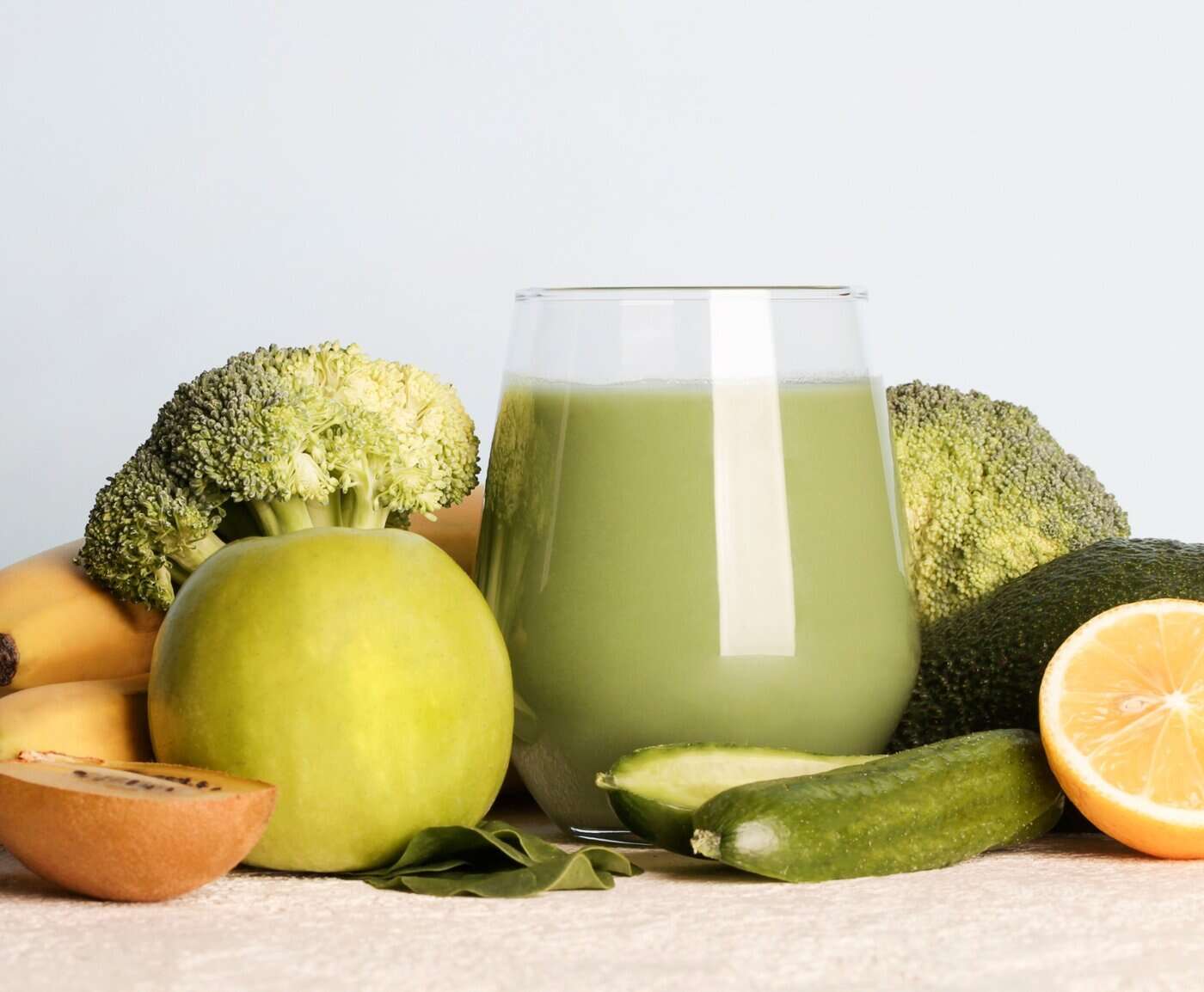
A single glass of NutriFusion green vegetable smoothie positioned between fresh vegetables.

We develop partnerships with manufacturers and provide products built around targeted ingredient systems that deliver nutrition and help solve formulation challenges. Our proprietary method for stabilizing our products allows us to give the manufacturers powdered forms of the vitamins and minerals contained in whole foods, while helping to preserve the bioavailability associated with those foods.

Through our GrandFusion product line, we provide custom, targeted solutions for a variety of nutritional and application goals, including:

  • 6 Nutrient Vegetable Blend (NF-2770): Based on spinach, broccoli, sweet potato, and other vegetable sources, this blend can be used in savory foods or when a fruit-forward flavor is not preferred.
  • 6 Nutrient Fruit Blend (NF-2771): Made from oranges, bananas, papaya, and other fruits, this blend offers a complementary fruit flavor and is ideal for use in sweet food applications.
  • Comprehensive Fruit & Vegetable Blends: Our 6-Nutrient, 12-Nutrient, and 21-Nutrient blends offer a variety of vitamins and minerals derived from actual foods by combining fruits and vegetables.

In order to guarantee that every product development project has a useful, clean-label ingredient to satisfy the needs of its target consumers, we also offer specialized solutions for particular needs, such as B-complex vegetable blends and pet food blends.

R&D Considerations for Clean-Label Vegetable Powders

R&D teams that work with vegetable powder or vegetable blends need a clear framework before moving into pilot runs. Key questions include:

  • Nutritional Target: Which vitamins and minerals should the product deliver, and at what percent daily value for your positioning, whether everyday wellness, active lifestyles, or family nutrition?
  • Processing Conditions: How will baking, extrusion, pasteurization, shear, or low pH affect nutrient retention? GrandFusion powders are engineered to tolerate typical manufacturing without heavy overages.
  • Sensory Impact: Will the blend keep taste, texture, and mouthfeel consistent in established SKUs and delicate flavors?
  • Shelf Life and Stability: Can fruit and vegetable powders help support product stability and a two-year or longer shelf life through inherent antioxidants?

At NutriFusion, we work with R&D teams to tune fruit blends, vegetable blends, and combined systems so that formulation, label claims, and clean-label goals stay aligned.

Turn Vegetable Powders Into Your Next Clean-Label Advantage

Vegetable powders have seen major growth as the market shifts toward healthier foods that emphasize credible, convenient ingredients. This creates a strong opportunity for food manufacturers to develop products that reflect consumer interests and position traditional processed foods as a source of real nutrition.

GrandFusion® offers you a straightforward way to attain this benefit. Our collection of vegetable blends, fruit blends, and combined fruit and vegetable blends offers you a dependable, clean-label ingredient source with minimal unnecessary processing.

Adding one of our clean-label blended ingredients to your next formulation can provide benefits such as elevating your nutrition label, streamlining your ingredient statement, and preserving the taste and feel of your product that your consumers love.

Explore NutriFusion®’s GrandFusion® Nutrient blends to turn clean-label vegetable powders into your next product advantage.


NutriFusion

NutriFusion develops all‐natural fruit and vegetable powders that are nutrient-dense, for when you do not have access to fresh produce, and even when you do, to improve your vitamin intake. Sourcing only whole, non-GMO foods, NutriFusion offers consumers a concentrated micronutrient and phytonutrient-rich food ingredient blend. With a farm-to-table philosophy, NutriFusion’s proprietary process stabilizes the nutrients from perishable fruits and vegetables, allowing a longer shelf life and access to vital nutrients.

NutriFusion fruit and/or vegetable powders are for use in foods, beverages, supplements, and pet foods. NutriFusion can help! Visit us at www.nutrifusion.com.


References

  1. SolutionBuggy. 2024. “A Detailed Guide for Launching Your Fruit and Vegetable Powder Business.” SolutionBuggy Blog, April 5. Retrieved December 8, 2025 (https://www.solutionbuggy.com/blog/fruit-and-vegetable-powder-manufacturing-business).
  2. Persistence Market Research. 2025. “Fruit And Vegetable Powder Market Size And Trends.” Press release, September 2. Retrieved December 8, 2025 (https://www.persistencemarketresearch.com/press-release/fruit-and-vegetable-powder-market-size-and-trends.asp).
  3. Fact.MR. 2024. “Fruit and Vegetable Powder Market Outlook (2024 to 2034).” Industry report. Retrieved December 8, 2025 (https://www.factmr.com/report/fruit-and-vegetable-powder-market).

Fitaky. 2022. “Market of Fruit Powder.” News, Fitaky.com. Retrieved December 8, 2025 (https://www.fitaky.com/news/fruit-juice-powder.html).

https://nf.simplygrandproperties.com/wp-content/uploads/2025/12/vegetable-powder-with-veggies.jpg 1030 1645 NF Admin https://nf.simplygrandproperties.com/wp-content/uploads/2022/05/NutriFusion-Logo-New-1030x251.png NF Admin2025-12-19 14:29:012025-12-19 14:29:01Vegetable Powder 101: Clean-Label Nutrition for Food and Drink Manufacturers

Inside Nutraceuticals: How Plant-Based Nutrition Is Shaping the Future of Food and Beverage

in Health & Nutrition

The modern grocery store now features a wide range of nutraceutical products, from protein waters and energy shots to botanical gummies and fortified, shelf-stable plant-based beverages.

This shift reflects rising demand for nutraceuticals and functional foods, as consumers look for convenient ways to support health through everyday choices. At the same time, manufacturers must balance innovation with regulatory compliance, clean label expectations, and real nutritional value.

In this blog, we’ll define nutraceuticals, examine plant-based functional food ingredients, review key regulatory and clean label considerations, and show how NutriFusion blends support next-generation food and beverage development.

What Are Nutraceuticals and Functional Foods?

Nutraceuticals are products made from natural food sources, usually in more concentrated forms (extracts or formulations), which are created to support health and wellness beyond the typical benefits of basic nutrition. Nutraceuticals are available in many different forms (capsules, powders, drinks, and fortified foods), and are marketed as solutions to particular nutritional requirements. Research indicates that nutraceuticals are unique products that fill the gap between conventional nutrition and supplements. However, there is a wide variance in regulatory definitions of nutraceuticals.

Functional foods are a type of food that offers a variety of health benefits. Functional foods include whole foods that are naturally high in bioactive compounds, as well as foods that have been engineered to contain additional ingredients (such as plant sterols, fiber, omega-3 fatty acids, and vitamins) in order to promote certain health objectives. Examples of functional foods range from common fortified cereal products to complex, innovative products such as ready-to-drink functional beverages containing bioactive ingredients.

Since there is no single definition for these two terms, producers should use a disciplined approach to claims, formulation, and transparency. NutriFusion provides fruit and vegetable blends that are rich in phytonutrients and micronutrients to be used as functional ingredients by manufacturers’ research and development teams in the creation of supplements, beverages, foods, pet food, and fortified products.

Why Plant-Based Nutraceuticals Are Surging

As a leading segment of the world’s nutraceuticals industry, plant-based nutraceuticals are shaped by a variety of global macro trends influencing this fast-growing area of product development.

According to a quantitative data report, the majority of consumers continue to show interest in using food to support a healthy lifestyle, and they are looking for foods they can trust as “real,” backed by certified ingredients that meet their expectations of quality. As a result, there has been an increase in the availability and demand for new plant-based functional food ingredients such as botanicals, prebiotics, probiotics, proteins, and other bioactive constituents, many of which are derived from plants.

As more consumers pursue dietary lifestyles such as veganism or flexitarianism, or seek to avoid certain allergens, food manufacturers are forming partnerships to create products made from fruits, vegetables, botanicals, and other plant-based ingredients. In addition, research also shows a steady upward trend in plant-forward product innovations that extend from beverages and snack bars to supplements and dairy alternatives.

NutriFusion directly participates in this overall trend toward plant-based foods with GrandFusion blends, nutrient-dense, plant-based powders from fruits and vegetables that are formulated to be bioactive, bioavailable, and ideal for delivering clean-label nutrients in nutraceutical applications.

How Plant-Based Nutraceuticals Are Reshaping Food and Beverage

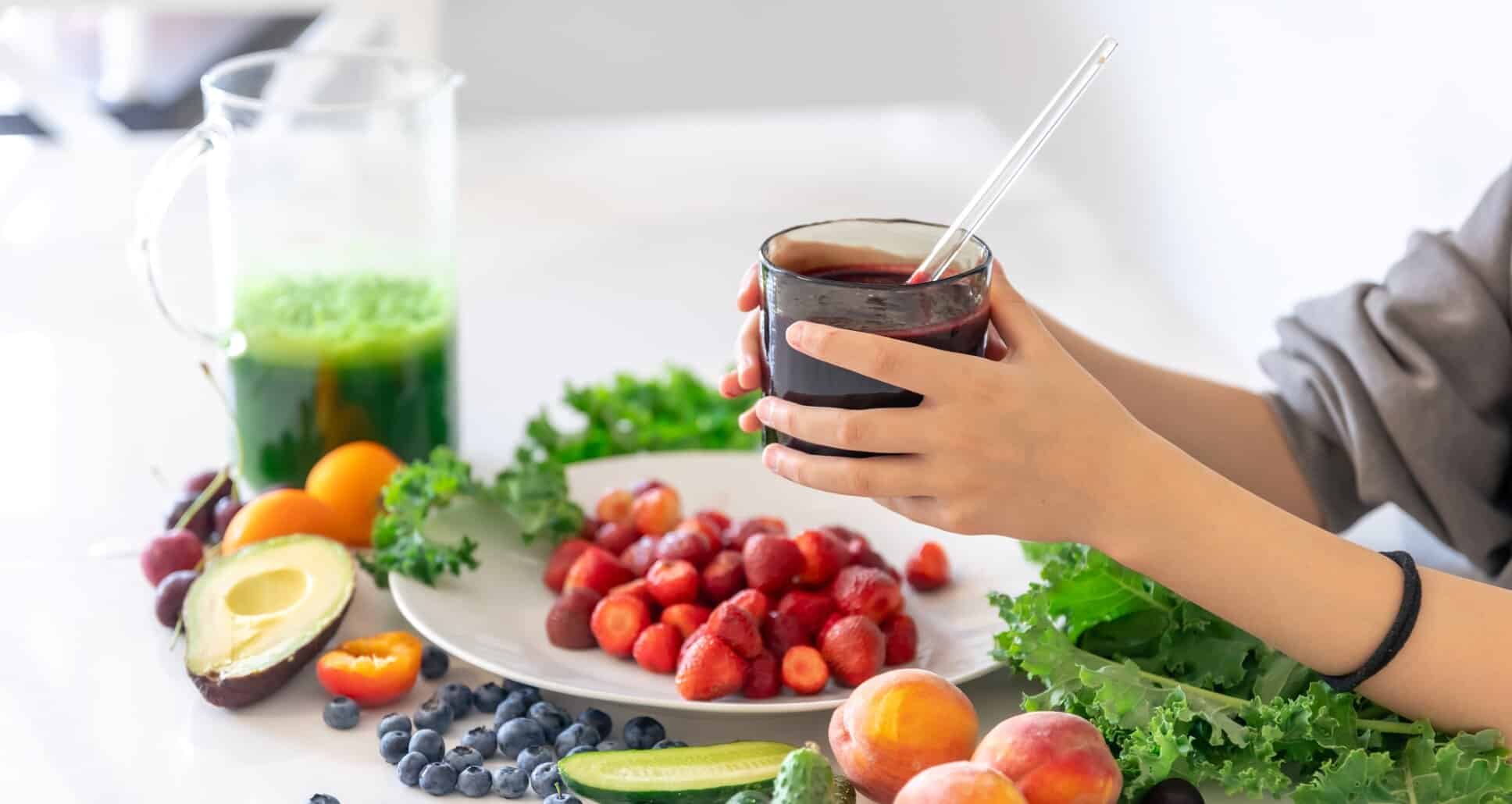
NutriFusion fruit smoothie being held beside fresh berries and greens showcasing plant-based nutrition.

The application of plant-based nutraceuticals is expanding into many new mainstream product categories beyond just pills and powders. A growing number of products created using plant-based nutraceutical concepts can be found in the following categories:

  • Functional Beverages: Enhanced waters, refrigerated juices, ready-to-drink teas, and milk products (dairy and plant-based) fortified with vitamins, minerals, fibers, and botanicals.
  • Better-for-you Snacks and Cereals: Products with antioxidants, plant-based proteins, micronutrients, and fiber.
  • Hybrid Supplement Formats: Gummies, shots, chews, gels, drink mixes, and squeeze pouches, all of which bridge supplements and food products.

These new formats have become more user-friendly and increasingly credible in the eyes of consumers. NutriFusion has invested in plant-based nutrient solutions for foods, beverages, nutraceuticals, and pet nutrition to meet the demand for a wide variety of product formats. 

Through work with supplement and nutraceutical brands, NutriFusion’s GrandFusion blends are used in capsules, gummies, powders, drink mixes, tablets, and liquid applications, all of which leverage the same concentrated nutrients sourced from fruits and vegetables.

Functional Food Ingredients: From Concept to Toolkit

Functional food ingredients are bioactive components that provide additional benefits beyond basic macro- and micronutrient content. Some researchers identify examples such as plant proteins, vitamins, minerals, phytochemicals, and probiotics, among others. Each of these ingredients may be associated with specific physiological benefits.

Rather than creating products consisting of single “hero” compounds, many nutraceutical brands now use combinations of micronutrients and phytonutrients together with supportive matrices such as healthy fats and dietary fiber. This production strategy may help improve overall product performance while also enhancing consumer confidence.

Our work at NutriFusion has evolved along these lines. The GrandFusion 6, 12, and 21 nutrient blends, which include B-complex nutrients and formulations specifically designed for pets, have been developed to deliver concentrated fruit- and vegetable-derived vitamins that support versatile, broad applications. In addition, the GrandFusion blends are designed to endure the rigors of manufacturing, remain stable through processing, and can provide a meaningful percentage of the Daily Value in small dosages.

As the flavor and performance characteristics of food and beverages are critical, our R&D teams have specifically formulated our ingredients to minimize the impact on taste and functionality. Micronutrient systems based on plant sources are no longer occasional additions to product formulations. R&D teams now treat plant-derived micronutrient systems as part of their standard toolkit, just as they would protein solutions or prebiotic fibers. The ability to utilize these formulations allows brands to produce food products that comply with clean-label requirements while providing high-quality nutrition.

Clean Label Nutrients and Consumer Trust

The clean label movement is reshaping the nutraceuticals market, with multiple consumer research studies showing that consumers want:

  • Short ingredient lists that are easy to understand.
  • Ingredients they are familiar with and can recognize at first glance.
  • Very few or no artificial additives.
  • Clear and precise information about the sourcing and processing of the ingredients.

These changing attitudes toward nutraceuticals and functional foods are leading many manufacturers to shift away from synthetic additives and preservatives toward naturally occurring antioxidants, bioactive plant materials, and nutrient systems that qualify as clean-label nutrients.

At NutriFusion, we have designed our GrandFusion blends to meet these consumer expectations by providing our customers with:

  • Nutrients that come from plants.
  • No synthetics, artificial additives, or preservatives.
  • Non-GMO whole food sources.
  • Simple ingredient statements made only from fruits and vegetables.

The GrandFusion product line improves both the nutrition facts panel and the ingredient deck, allowing manufacturers to create clean-label products that meet the expectations of today’s consumers. Clean label nutrients are no longer just “nice to have”; they are increasingly viewed as “must-have” for manufacturers that want to lead their categories in the future.

R&D Roadmap for Next-Generation Plant-Based Nutraceuticals

NutriFusion R&D team member showing fresh microgreens and fruits used to illustrate plant-based nutrition.

For R&D teams working with nutraceuticals, the first step is to define a clear benefit platform, such as energy and focus, immune support, healthy aging, or everyday wellness, and to ground it in credible evidence rather than disease-treatment promises. R&D teams then select functional food ingredients and clean-label nutrients that match this platform, favoring whole-food-derived vitamin systems, fibers, and other plant-based bioactives.

The next stage focuses on stability and sensory performance, looking at processing conditions, overages, and interactions with other ingredients. Labels and claims should align with regulatory guidance and internal risk tolerance, using transparent, consumer-friendly language.

NutriFusion supports this roadmap through GrandFusion blends and custom R&D collaboration that help brands integrate plant-based nutraceuticals efficiently into new and existing SKUs. This approach helps turn plant-based nutraceuticals into scalable, clean-label nutrition systems.

Partnering to Build the Future of Plant-Based Nutraceuticals

NutriFusion® focuses on whole-food, plant-based nutrient blends for clean-label nutraceutical products and highlights ingredients supported by published scientific evidence and regulatory documentation.

NutriFusion® provides manufacturers with the tools they need to improve nutritional content and increase the marketability of their food, beverage, supplement, and pet products while remaining consistent with a non-GMO, plant-based, and synthetic-free philosophy.

Explore NutriFusion®’s Supplements & Nutraceuticals Solutions to bring real plant-based nutrition into your next product.


NutriFusion

NutriFusion develops all‐natural fruit and vegetable powders that are nutrient-dense, for when you do not have access to fresh produce, and even when you do, to improve your vitamin intake. Sourcing only whole, non-GMO foods, NutriFusion offers consumers a concentrated micronutrient and phytonutrient-rich food ingredient blend. With a farm-to-table philosophy, NutriFusion’s proprietary process stabilizes the nutrients from perishable fruits and vegetables, allowing a longer shelf life and access to vital nutrients.

NutriFusion fruit and/or vegetable powders are for use in foods, beverages, supplements, and pet foods. NutriFusion can help! Visit us at www.nutrifusion.com.


References

  1. Chauhan, Kanika, and Alka Rao. 2024. “Clean-Label Alternatives for Food Preservation: An Emerging Trend.” Heliyon 10(16):e35815. https://doi.org/10.1016/j.heliyon.2024.e35815.
  2. Cencic, Avrelija, and Walter Chingwaru. 2010. “The Role of Functional Foods, Nutraceuticals, and Food Supplements in Intestinal Health.” Nutrients 2(6):611–625. https://doi.org/10.3390/nu2060611.
  3. Fekete, Mónika, Andrea Lehoczki, Agata Kryczyk-Poprawa, Virág Zábó, János Tamás Varga, Madarász Bálint, Vince Fazekas-Pongor, Tamás Csípő, Elżbieta Rząsa-Duran, and Péter Varga. 2025. “Functional Foods in Modern Nutrition Science: Mechanisms, Evidence, and Public Health Implications.” Nutrients 17(13):2153. https://doi.org/10.3390/nu17132153. 
  4. Innova Market Insights. 2025. “Functional Ingredients Trends: Global Market Overview.” Innova Market Insights (Report), August 10. Retrieved December 8, 2025 (https://www.innovamarketinsights.com/trends/functional-ingredients-trends-global-market-overview/).
  5. Kalsec, Inc. n.d. “Discover the Power and Benefits of Clean Label Food Preservation.” Kalsec website. Retrieved December 8, 2025 (https://www.kalsec.com/natural-food-protection/insights/clean-label-food-preservation). 
  6. McClements, Isobelle Farrell, and David Julian McClements. 2023. “Designing Healthier Plant-Based Foods: Fortification, Digestion, and Bioavailability.” Food Research International 169:112853. https://doi.org/10.1016/j.foodres.2023.112853. 
  7. Pandey, Ashish, Fozia Kamran, Manisha Choudhury, Li Li, Mohammad Shafiur Rahman, and Malik Altaf Hussain. 2025. “Omega-3 Fatty Acid Fortification of Plant-Based Beverages to Enhance Their Nutritional Profile.” Foods 14(9):1602. https://doi.org/10.3390/foods14091602.
  8. Vignesh, Arumugam, Thomas Cheeran Amal, Ariyan Sarvalingam, and Krishnan Vasanth. 2024. “A Review on the Influence of Nutraceuticals and Functional Foods on Health.” Food Chemistry Advances 5:100749. https://doi.org/10.1016/j.focha.2024.100749.
https://nf.simplygrandproperties.com/wp-content/uploads/2025/12/fruits-vegetables-capsule.jpg 1050 1400 NF Admin https://nf.simplygrandproperties.com/wp-content/uploads/2022/05/NutriFusion-Logo-New-1030x251.png NF Admin2025-12-17 12:22:252025-12-17 12:22:25Inside Nutraceuticals: How Plant-Based Nutrition Is Shaping the Future of Food and Beverage
Page 3 of 52‹12345›»

NUTRIFUSION®

GrandFusion® is a blend of fruits and/or vegetables that can significantly increase the nutritional profile and, therefore, the marketability of food, beverage, pet, and snack products.

Categories

  • Animal Nutrition
  • Beverages & Drinks
  • Consumer Packaged Goods
  • Corporate Partnerships
  • Corporate Updates
  • Featured
  • Food Business
  • Food Retail
  • Health & Nutrition
  • Infographics
  • Kid's Health
  • News
  • Press Releases
  • Product Announcements
  • Recipes
  • Supplements & Nutraceuticals
  • Uncategorized

ABOUT NUTRIFUSION®

NutriFusion® provides the nutrient-rich benefits of fruits and vegetables in everyday food products through whole non-GMO foods to create its concentrated micronutrient and phytonutrient-rich food ingredient blends.

Search NutriFusion

Search Search

Archives

  • June 2026
  • May 2026
  • April 2026
  • February 2026
  • January 2026
  • December 2025
  • November 2025
  • October 2025
  • September 2025
  • August 2025
  • July 2025
  • June 2025
  • May 2025
  • April 2025
  • March 2025
  • February 2025
  • January 2025
  • December 2024
  • November 2024
  • October 2024
  • September 2024
  • August 2024
  • June 2024
  • May 2024
  • April 2024
  • March 2024
  • February 2024
  • January 2024
  • December 2023
  • November 2023
  • October 2023
  • September 2023
  • August 2023
  • July 2023
  • June 2023
  • May 2023
  • April 2023
  • March 2023
  • February 2023
  • January 2023
  • December 2022
  • November 2022
  • October 2022
  • September 2022
  • August 2022
  • July 2022
  • June 2022
  • May 2022
  • April 2022
  • March 2022
  • February 2022
  • January 2022
  • December 2021
  • November 2021
  • October 2021
  • September 2021
  • August 2021
  • July 2021
  • June 2021
  • April 2021
  • March 2021
  • February 2021
  • January 2021
  • December 2020
  • November 2020
  • October 2020
  • August 2020
  • June 2020
  • April 2020
  • March 2020
  • February 2020
  • January 2020
  • December 2019
  • November 2019
  • October 2019
  • September 2019
  • August 2019
  • July 2019
  • June 2019
  • May 2019
  • April 2019
  • March 2019
  • February 2019
  • January 2019
  • December 2018
  • November 2018
  • October 2018
  • September 2018
  • August 2018
  • July 2018
  • June 2018
  • May 2018
  • April 2018
  • March 2018
  • February 2018
  • January 2018
  • December 2017
  • November 2017
  • October 2017
  • September 2017
  • August 2017
  • July 2017
  • June 2017
  • May 2017
  • April 2017
  • March 2017
  • February 2017
  • January 2017
  • December 2016
  • November 2016
  • October 2016
  • September 2016
  • August 2016
  • July 2016
  • June 2016
  • May 2016
  • April 2016
  • March 2016
  • February 2016
  • January 2016
  • December 2015
  • November 2015
  • July 2015
  • March 2015
  • February 2015
  • January 2015

Categories

  • Animal Nutrition
  • Beverages & Drinks
  • Consumer Packaged Goods
  • Corporate Partnerships
  • Corporate Updates
  • Featured
  • Food Business
  • Food Retail
  • Health & Nutrition
  • Infographics
  • Kid's Health
  • News
  • Press Releases
  • Product Announcements
  • Recipes
  • Supplements & Nutraceuticals
  • Uncategorized

Pages

  • 12 Nutrient Fruit & Vegetable Blend | NF-2782
  • 2024 Tradeshows
  • 21 Vitamin & Mineral Blend | NF-82333
  • 6 Nutrient Fruit & Vegetable Blend | NF-2769
  • 6 Nutrient Fruit Blend | NF-2771
  • 6 Nutrient Vegetable Blend | NF-2770
  • About Us
  • Active Research
  • B Complex Vitamin Blend | NF-2131
  • Beverages & Drinks
  • Blog
  • Certifications
  • Clients
  • Connect with NutriFusion
  • Contact Us
  • Custom Superfood Powder Blends
  • EY US Unveils William Grand of NutriFusion as an Entrepreneur Of The Year® 2025 Florida Award Finalist
  • FAQ
  • Food
  • Hidden Benefits
  • Home
  • How Fruit & Vegetable Intake Affects Cardiovascular Health
  • Media Kit
  • Newsroom
  • Nutraceuticals
  • NutriFusion Announces Partnership with BeLoved Foods
  • NutriFusion Announces Partnership with Drink Todo
  • NutriFusion Announces Partnership with Jam Packd, Creator of Delicious, Nutritious Fruit Spreads
  • NutriFusion Announces Supplier Partnership with UMMY Kids Superfood Shakes
  • NutriFusion Honored as Bronze Stevie® Award Winner in 2025 American Business Awards®
  • NutriFusion Partners with Whole Dogg to Launch Canada’s First Veterinary Nutritionist formulated Dog Supplement
  • NutriFusion Ranks No. 3436 on the 2025 Inc. 5000 List of America’s Fastest-Growing Private Companies
  • NutriFusion Ranks No. 4441 on the 2024 Inc. 5000
  • NutriFusion Welcomes Nutrition Expert Michelle Bacarella, MS RDN, to Drive Innovation in Whole Food Nutrition Solutions
  • NutriFusion- nutrients created by nature
  • Pet Fruit & Vegetable Blends
  • Podcasts
  • Press
  • Privacy Policy
  • Privacy Tools
  • Products
  • Research & Development
  • Secure Website
  • Supplements & Nutraceuticals
  • SupplySide West
  • Test Page 2
  • Testimonials
  • The Essential Guide to Creating Functional Foods & Beverages
  • Vitamin Deficiency: What to Know
  • Vitamins for Baby Boomer & Seniors
  • Vitamins for Beverages
  • Vitamins for Frozen Foods
  • Vitamins for Healthy Snacks
  • Vitamins for Millennials
  • Vitamins for Pets
  • Vitamins for Private Label
  • Vitamins for Weight Management
  • Website Updates | Maintenance

Categories

  • Animal Nutrition
  • Beverages & Drinks
  • Consumer Packaged Goods
  • Corporate Partnerships
  • Corporate Updates
  • Featured
  • Food Business
  • Food Retail
  • Health & Nutrition
  • Infographics
  • Kid's Health
  • News
  • Press Releases
  • Product Announcements
  • Recipes
  • Supplements & Nutraceuticals
  • Uncategorized
Scroll to top Scroll to top Scroll to top