• Link to LinkedIn
  • Link to Facebook
  • Email Us
  • Email Us
  • Call Us
  • Call Us
NutriFusion
  • Applications
    • All Blends
    • Food
    • Beverages & Drinks
    • Nutraceuticals
    • Pet Nutrition
    • Custom Superfood
  • R&D
    • Research & Development
    • Vitamin Deficiency
  • Active Research
  • About
    • About NutriFusion®
    • Certifications
  • Contact
  • News
    • Press Center
  • Podcasts
  • Blog
  • Store
  • Store
  • Click to open the search input field Click to open the search input field Search
  • Menu Menu

Archive for category: Supplements & Nutraceuticals

Infant Autism Risk Can be Greatly Reduced with Prenatal Vitamins

in Health & Nutrition, Kid's Health, Supplements & Nutraceuticals

Studies show that taking prenatal vitamins may help decrease the chances of infants developing autism even in families with higher risks. Folate, also known as folic acid, used as a dietary supplement has shown to significantly lower risks of developing ASD, also known as an autism spectrum disorder.

Autism Risk in the Family

Families have a higher risk of having another child with autism if they already have a child that is on the spectrum. Because of their genetics and heredity, they are 14 times more at risk to develop ASD. In JAMA Psychiatry, on February 27, new research was published that showed how even in high-risk families, prenatal vitamins are just as sufficient. Based off these studies, prenatal vitamins lower the risk of developing autism by 50% for these younger siblings.

Rebecca J. Schmidt, Ph.D. first author of the study and assistant professor in the department of public health sciences and the MIND Institute, UC Davis School of Medicine, informed Healthline that “Evidence is building for an important role of gestational exposures, including nutrition, in relation to autism. Research from imaging and other studies of the brain show that processes affected in autism occur during pregnancy. Studies have repeatedly shown that taking folic acid supplements was associated with protection from autism in the general population.”

Results of the Study on Prenatal Vitamins

Her studies showed how 241 families with ASD were affected by prenatal vitamins and supplements. They wanted to see if they were affected the same as other families and to see if they also received the same benefits from these supplements. The results showed that 96% of mothers said they took prenatal supplements, but the only ⅓ of supposed mothers took them in the recommended time, which was before pregnancy.

The study also showed that children were less likely to develop severe autism symptoms if the mothers took prenatal vitamins in the first month of their pregnancy. These children also received higher cognitive scores.

The results that came from these studies could profoundly impact public health. It is essential to spread the prevention of ASD for future generations. These findings can guide future expecting mothers with nutritional advice and inform them of health implications that come with supplements.

What the Study Could Mean

Vice-chair of the department of pediatrics at University of Missouri Health Care and part of Autism Speaks Autism Treatment Network, Dr. Kristin Sohl, stated: “This is a small study that needs to be replicated in a larger sample before true risk reduction calculations and public health policy decisions can be made.”

Although Folic supplements have its pros, studies from Johns Hopkins University have revealed some cons. In 2016, researchers from the university released that mothers with high levels of vitamin b-12 and folic acid supplement had an 18% increase in chances of autism. But, only in extreme cases do prenatal supplements have a role in causing autism.

In the study, the women had excess levels of the vitamins and supplements; this was not the recommended intake by the World Health Organization. Even researchers from the survey agreed that prenatal vitamins were still essential and beneficial to mothers. Sohl adds on “Because many pregnancies are unplanned and because neural tube defects can develop in the first 28 days of fetal development, all women of child-bearing age are recommended to take increased folic acid.”

Parents should take the initiative to visit their doctors and consult about proper supplements and vitamins to take.

Inspired by www.healthline.com


https://nf.simplygrandproperties.com/wp-content/uploads/2022/05/NutriFusion-Logo-New-1030x251.png 0 0 NF Admin https://nf.simplygrandproperties.com/wp-content/uploads/2022/05/NutriFusion-Logo-New-1030x251.png NF Admin2019-04-18 12:00:332019-04-18 12:00:33Infant Autism Risk Can be Greatly Reduced with Prenatal Vitamins

Why Leafy Greens Protect Liver Health

in Beverages & Drinks, Consumer Packaged Goods, Health & Nutrition, Supplements & Nutraceuticals

In a study published in the journal, Proceedings of the National Academy of Sciences (PNAS), researchers found out that leafy greens contain compounds that can help prevent non-alcoholic fatty liver disease (NAFLD) in mice. Non-fatty liver disease, also called steatosis, is a disease wherein the fat builds up in the liver. Several studies suggest that NAFLD occurs in up to 40% of adults in the United States. NAFLD is one of the most common causes of chronic liver disease especially in many developed nations where obesity rates are high. Experts linked NAFLD with other conditions including metabolic risk factors and obesity.

Leafy Greens Can Help Reduce The Risk For NAFLD

To date, there are no known approved therapies for NAFLD. Thus, if left unaddressed, it can lead to severe conditions including liver cirrhosis, steatohepatitis, and fibrosis. While there are no approved drug treatments for NAFLD, it can still be managed by losing weight, doing more physical exercise, and reducing fat intake. But aside from these strategies, it is also important to eat the right food.

A study conducted by researchers from the Karolinska Institutet in Sweden discovered that the presence of inorganic nitrate in leafy greens could help reduce the incidence of fat buildup in the liver. Senior researcher Mattias Calstrom from the same university noted that inorganic nitrate is essential in reducing the prevalence of NAFLD in mice.

Benefits Of Nitrates On Mice Model Experiments

To conduct the study, mice models were used. The mice were divided into three groups and were fed with different diets. The control group was given a regular diet, the second group was given only a high-fat diet, and the last group was given a high-fat diet with nitrate supplementation.

Studies show that the mice that were given high-fat diet and supplementation had better insulin sensitivity and lower blood pressure compared to those that were never given nitrate supplementation. Nitrate, commonly found in green leafy vegetables such as spinach, is an essential compound in the body. Previous studies suggest that nitrates can increase the efficiency of the mitochondria – the powerhouse of the cell – thus improving energy. But more than boosting the energy, studies also show that nitrate can help protect the body against metabolic diseases such as Type 2 diabetes and obesity.

Aside from benefiting from the lowered risk for NAFLD, studies also show that there are many other health benefits from taking in foods rich in nitrate. One of the benefits is that it can have positive effects on cardiovascular health.

The Future Of Nitrate Supplementation

Calstrom noted that diseases such as Type 2 diabetes and cardiovascular disease follow the same mechanism wherein oxidative stress affects the nitric oxide signaling thus resulting in many metabolic disorders. As such, intake of nitrates has a lot of benefits to the body as it can help fight off the effects of oxidative stress. However, it is important to take note that researchers are yet to find out what other compounds make leafy greens very helpful to the body, but nitrates can pave the way to more discoveries.  For now, supplementation with nitrates can lead to new approaches to liver health.

Inspired by www.medicalnewstoday.com

Add GrandFusion to Your Products to Get The Benefits of Leafy Greens

Our fruit and vegetable powders are helping food and beverage manufacturers easily had plant-based, natural vitamins from fruits and vegetables to their products. Interested in learning more about how companies are using our concentrated powders to create the future of functional foods and beverages? Download our guide!

creating functional foods and beverages product development food science testing

https://nf.simplygrandproperties.com/wp-content/uploads/2022/05/NutriFusion-Logo-New-1030x251.png 0 0 NF Admin https://nf.simplygrandproperties.com/wp-content/uploads/2022/05/NutriFusion-Logo-New-1030x251.png NF Admin2019-04-02 07:35:282019-04-02 07:35:28Why Leafy Greens Protect Liver Health

FDA Commissioner Plans to Modernize Dietary Supplement Regulations

in Food Business, Supplements & Nutraceuticals

Scott Gottlieb, M.D., resigning FDA Commissioner, revealed plans of strengthening the agency’s dietary supplements regulations. He expressed concern about FDA policies and abilities to manage risks that may emerge with the changes in the industry.

The head of the FDA announced a goal this month to regulate modern dietary supplements. Resigning FDA commissioner, Gottlieb, raised concern that changes in the supplement market have exceeded the level of security provided by the agency’s policies. A quarter of a century after the Dietary Supplement Health and Education Act of 1994 (DSHEA), was passed by Congress, the industry experienced extraordinary growth. The majority of adults are now taking supplements. Annual sales have reached a new peak, earning tens of billions of dollars.

But new plans were revealed that entails a different approach to regulating these products. According to Gottlieb, public health requirements need to be strengthened and made to be more modern to fulfill their obligations to the public. He also states that the FDA will commit to their priority concerning the oversight of supplements. They will also evaluate more ways to oversee the dietary supplement market. Most importantly, the FDA plans on educating and alerting the public about dangerous ingredients that may be contained in these supplements. They will also encourage new dietary ingredient notifications.

New FDA Announcement: Modernize Dietary Supplement Regulations

The commissioner announced, “We’re developing a new rapid-response tool to alert the public, so consumers can avoid buying or using products with that ingredient and notify responsible industry participants to avoid making or selling them.” Gottlieb talked about multiple ways to help the FDA advance their policy goals. He also brought up how they will use new and more effective ways of communicating when ingredients for dietary supplements are unlawful due to dangerous effects it could have on the public. One of Gottlieb’s goals is to alert the public to help customers avoid dangerous products. He would also like to notify manufacturers and distributors of safety concerns because they are known to ignore NDI notifications as there are usually dozens of notifications sent out each year. The commissioner also added, “We’ll look to address other challenges that may act as barriers to dietary supplement innovation and safety, including issues such as what the right incentives might be for establishing dietary supplement exclusivity, and the scope of permitted dietary ingredients.”

Gottlieb is fighting for a requirement to make a mandatory listing. He discussed how mandatory listing would have significant benefits for the public. He states, “A mandatory listing requirement could provide significant benefits by facilitating efficient enforcement of the law and establishing new mechanisms to identify bad actors who put the public at risk and undermine consumer confidence in the entire industry.” He is interested in hearing from more stakeholders so that his agency can accurately represent their current clients and the current state of the supplement industry. Some stakeholders have already expressed interest in a mandatory product listing system. Gottlieb states that a listing system will make it easier for the FDA to take effective action against dangerous products.

President and CEO of CRN, Steve Mister, has said that he appreciates Gottlieb’s efforts to modernize the supplement industry. Mister calls on Congress to take action and provide funds to the FDA so that they can make the required action to address critical problems in the dietary supplement market.

Inspired by www.naturalproductsinsider.com

Interested in creating a safe, functional supplement product with real vitamins from fruits and vegetables? Learn more about how to create the next great functional food and beverage product with our guide below!

creating functional foods and beverages product development food science testing

https://nf.simplygrandproperties.com/wp-content/uploads/2022/05/NutriFusion-Logo-New-1030x251.png 0 0 NF Admin https://nf.simplygrandproperties.com/wp-content/uploads/2022/05/NutriFusion-Logo-New-1030x251.png NF Admin2019-03-18 15:53:322019-03-18 15:53:32FDA Commissioner Plans to Modernize Dietary Supplement Regulations

Gen Z Eating Habits are Healthier and More Convenient

in Beverages & Drinks, Consumer Packaged Goods, Food Business, Food Retail, Supplements & Nutraceuticals

Generation Z refers to a group of people who are born from 1995 to 2010. Although they are one of the youngest demographics, they are moving the food culture in the United States. A report released by Packaged Facts noted that Gen Z eating habits are more likely to include a snack between meals compared with millennials. Moreover, they are also keen on preparing their own meals than millennials who currently live more fast-paced lives.

Gen Z eating habits have influenced the food industry by encouraging manufacturers to produce snacks that are appealing to this particular demographic.  What makes food appealing to this generation is its natural origin. In fact, many of this generation prefer food that is made from organic and natural ingredients. They also prefer food that does not contain additives such as preservatives, sugar, and many others. They are also most likely to prefer vegetarianism over other types of diets.

Health And Convenience Are Defining Factors in Gen Z Eating Habits

Because many Gen Zs are opting for healthy eating habits, more food manufacturers are producing healthy food products to meet the demands of this generation. It is also important to take note that although this generation is relatively young, their eating, as well as shopping habits, will probably not change as they age. This means that they will continue to seek products that are made from clean ingredients and come with transparent labels.

Why this generation is so obsessed with healthy living comes from the influence of their millennial and gen x parents. In a recent report in 2018 released by SPINS, they noted that this generation still prefers products that are easy, accessible, and convenient. Gen Z is in perpetual motion and surrounded by gadgets. As a generation that is adept in performing multiple tasks at one time, this has influenced their eating habits such that they prefer foods that they can easily eat but do not require too much prep time. They also prefer products that are microwavable, but they are looking for those that are organic, natural, and free from synthetic ingredients.

The Direction Of Many Food Manufacturers

The demand for healthier food products by Gen Z eating habits has led to many food companies producing healthy products. One such company is Barilla that recently introduced healthy microwavable pasta that people can take as snacks or dinner. Research Director of Packaged Facts, David Sprinkle, noted that many from this generation know the value of healthy foods but they want the convenience of easy-to-prepare foods. There are huge present opportunities for many foods and beverage manufacturers to create different preparations of packaged foods from canned soups, chips, and desserts to name a few.

The bottom line here is that many food and beverage manufacturing companies can gain a lot from developing food products that will appeal to the larger population of Gen Z eating habits. In fact, they account for at the most $143 billion in terms of direct spending.  And since they make up about 26% of the population in the United States, they are a force to be reckoned with.

Inspired by www.fooddive.com

GrandFusion fruit and vegetable powders are a food processor’s new best friend. Our highly concentrated blends deliver dense nutrient levels from fruits and vegetables without impacting the end product’s flavor or texture. Gen Z consumers love NutriFusion because of the simple ingredient statement and the added benefit of real vitamins and minerals from fruits and vegetables. Interested in how to build the next great functional food and beverage product? Download our guide today!creating functional foods and beverages product development food science testing

https://nf.simplygrandproperties.com/wp-content/uploads/2022/05/NutriFusion-Logo-New-1030x251.png 0 0 NF Admin https://nf.simplygrandproperties.com/wp-content/uploads/2022/05/NutriFusion-Logo-New-1030x251.png NF Admin2019-03-04 10:23:032019-03-04 10:23:03Gen Z Eating Habits are Healthier and More Convenient

Broccoli Powders Reduce Food Waste and Enrich Better-For-You Products

in Animal Nutrition, Beverages & Drinks, Consumer Packaged Goods, Food Business, Supplements & Nutraceuticals

Food waste is a common problem, especially when using different kinds of produce. For instance, a stalk of broccoli does not get utilized, and more than 40% of the vegetable gets thrown away. This is just one of the top reasons why broccoli powders and other vegetable powders are a growing category of ingredients for better-for-you products

Converting broccoli and other vegetables into powder has a lot of potential. The vegetable powders can be used by food & beverage brands to improve the nutritional profile of their products. Consumers are searching for simple, easy to read ingredients that have positive impacts on their health.

Broccoli Powders and Vegetable Powders Pack a Nutritional Punch

John Lloyd, CEO from Hort Innovation, noted that an average adult in Australia does not consume the recommended daily amount of vegetables. This is also the same with American consumers. To address this problem, Australian researchers converted broccoli into a powder that can be used in different applications. The people behind the broccoli powder belong to R&D and Marketing Sydney-based company, Hort Innovation. This product aims to provide consumers not only one serving of broccoli but more by just using two tablespoons of the powder.

NutriFusion has taken this a step farther with our GrandFusion fruit and/or vegetable blends. By blending powdered fruits and vegetables, we can create a complete combination of essential micronutrients. We have fruit and vegetable blends with up 21 vitamins and minerals all from plants. Food, Beverage, Supplements, and Pet brands are adding this to their products to quickly enhance the nutritional profile without impacting the flavor or texture.

Perfect for Better-For-You Products

It can be added to coffee, tea, and other beverages. Moreover, it can also be added to different kinds of food such as pastries, cakes, and many others. Broccoli powders and vegetable powders provide convenience especially among those who dislike eating their greens. It is advantageous for many people as it does not only help improve the intake of vitamins and minerals, but it can also provide a substantial amount of proteins and fibers.

There is simplicity involved when making this broccoli powder. Mary Ann Augustin, the lead researcher for the Commonwealth Scientific and Industrial Research Organization (CSIRO), noted that the broccoli powder was made from whole broccoli that has been dried and pre-treated to lock in the flavor and nutrient profile. With this process, nothing is lost because even the stalks and leaves are used.

The Future Of Vegetable Powders

But aside from broccoli, companies like NutriFusion also produce other vegetable powders such as spinach, kale, and alfalfa. But more than vegetable powders, the NutriFusion also developed fruit powder blends made from blueberry, strawberry, apple, cherry, and many others. Many food manufacturers are now incorporating fruit and vegetable powders to improve the nutritional content of their products.

Converting vegetables into their powder form can also help reduce the output to the environment. Vegetable powders provide options to growers to grow value-added vegetables in order for them to earn more. The success of broccoli proves that other vegetables and produce can be used turned into powder and food manufacturers can become successful in their endeavors.

Inspired by www.fooddive.com

NutriFusion GrandFusion Vegetable Blend 3

https://nf.simplygrandproperties.com/wp-content/uploads/2019/02/broccoli-fresh-broccoli-on-wooden-background-W563XTU-min.jpg 1030 1545 NF Admin https://nf.simplygrandproperties.com/wp-content/uploads/2022/05/NutriFusion-Logo-New-1030x251.png NF Admin2019-02-12 08:31:352019-02-12 08:31:35Broccoli Powders Reduce Food Waste and Enrich Better-For-You Products

The Importance of the Right Vitamins

in Health & Nutrition, Supplements & Nutraceuticals

[fusion_builder_container hundred_percent=”no” equal_height_columns=”no” menu_anchor=”” hide_on_mobile=”small-visibility,medium-visibility,large-visibility” class=”” id=”” background_color=”” background_image=”” background_position=”center center” background_repeat=”no-repeat” fade=”no” background_parallax=”none” parallax_speed=”0.3″ video_mp4=”” video_webm=”” video_ogv=”” video_url=”” video_aspect_ratio=”16:9″ video_loop=”yes” video_mute=”yes” overlay_color=”” video_preview_image=”” border_size=”” border_color=”” border_style=”solid” padding_top=”” padding_bottom=”” padding_left=”” padding_right=””][fusion_builder_row][fusion_builder_column type=”1_1″ layout=”1_1″ background_position=”left top” background_color=”” border_size=”” border_color=”” border_style=”solid” border_position=”all” spacing=”yes” background_image=”” background_repeat=”no-repeat” padding_top=”” padding_right=”” padding_bottom=”” padding_left=”” margin_top=”0px” margin_bottom=”0px” class=”” id=”” animation_type=”” animation_speed=”0.3″ animation_direction=”left” hide_on_mobile=”small-visibility,medium-visibility,large-visibility” center_content=”no” last=”no” min_height=”” hover_type=”none” link=””][fusion_text columns=”” column_min_width=”” column_spacing=”” rule_style=”default” rule_size=”” rule_color=”” hide_on_mobile=”small-visibility,medium-visibility,large-visibility” class=”” id=””]

Take your vitamins! It’s what your mom told you and your mom’s mom told her. 1950’s commercials featuring “vitamins for pep” or other similar slogans abound. Such advice is not without merit on the standard American diet, and research shows that vitamin usage has increased exponentially over the past few decades. The following will examine the need for vitamins, the differences between synthetic and natural vitamins, how to get vitamins from whole foods, and when to consider a vitamin supplement.
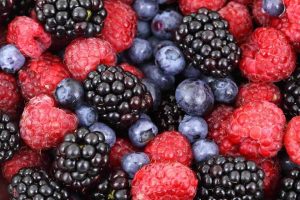
Raspberries and Blackberries

Widespread Nutrient Deficiency: An Overview of a Serious Problem

The grocery store shelves are lined with products stripped of nutrients. According to this study, sugar, particularly high-fructose corn syrup, isn’t just worthless as far as nutrition goes; but  sugar (and many other processed products) are actually anti-nutrients, robbing the body of vitamins, triggering an inflammatory insulin response, and impairing nutrient absorption.

Weston A. Price, a Canadian dentist, studied and met with multiple groups of people worldwide in his travels and found that it was only after they began to eat a westernized diet that their health rapidly deteriorated. Diseases from tooth decay to macular degeneration to diabetes abounded. Processed foods and the current diet eaten today have undoubtedly led to this increased awareness of a need for more vitamins in the diet.
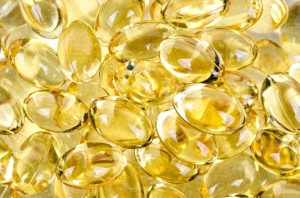
Clear gel pills

Synthetic Vitamins: A False Solution to a Serious Problem

Synthetic vitamin (under this would be many antioxidant supplements) supplements made through artificial methods in a laboratory. While synthetic vitamins may have a small and occasionally significant role in treating or alleviating various symptoms, they are usually inferior to natural vitamins or vitamins from whole foods and whole food sources.

According to this overview from the American Journal of Clinical Nutrition (study), whole foods supply a synergistic array of vitamins and minerals, instead of one or two synthetic vitamins in isolation.

To put it another way, just one vegetable contains a host of phytochemicals and complimentary enzymes and nutrients that  make the vitamins and minerals more bioavailable than simply popping a pill of that same vitamin (like vitamin E or C, etc.) in isolation.

This study of 22 people showed that natural vitamin E had twice the availability rate of synthetic vitamin E. In another study turkeys given natural vitamin E vs. the synthetic vitamin E group had higher levels of a-tocopherol in the meat.

Another study indicated that excess doses of (synthetic) vitamins may actually be more harmful than helpful in those suffering from cancer and other serious complications.

Conclusion

Synthetic vitamins are inferior to whole food vitamins.

cut up peppers and fruits

Whole Foods: The Best Source of Natural Vitamins

It has been clearly established that the best source of vitamins and minerals is in whole foods because of the synergistic effects of various nutrients eaten together. So what does a whole foods diet look like? The following breaks down which foods to eat for certain nutrients and how to increase the bioavailability of the nutrients in those foods.

Vegetables

Fresh vegetables are packed with natural cancer-fighting chemicals and anti-aging benefits. According to this medical review, fruits and vegetables are an important source of natural, dietary antioxidants. In proper amounts, antioxidants play an important role in protecting against cancer, diabetes, and atherosclerosis. Another study observed that populations with a high consumption of leafy greens and cruciferous vegetables had incredibly lower rates of cancer and diabetes compared to the standard population.

The following classes of vegetables will ensure that the plant-based part of your diet is well-rounded and nutritious.

1. Kale (and Other Leafy Greens)

One cup of packed raw kale delivers over 600% percent of the daily value of Vitamin K (important for blood clotting), 200% daily value of Vitamin A, and hefty doses of vitamins C and B. Kale also contains lutein and zeaxanthin, carotenoids which may help protect against macular degeneration.

How to use it: For those with weaker digestive systems, kale may be better blended into a smoothie or cooked into a soup. Hearty salad lovers will want to whip up a kale salad massaged with homemade tahini dressing and pumpkin seeds.

Other leafy green alternatives: If you really hate the taste of kale, spinach, Swiss chard, and mustard greens pack a similar nutritional punch with a slightly more mild taste.

2. Sea Vegetables

Sea vegetables are sadly an often-neglected vegetable, supplying a host of nourishing nutrients and minerals. The star nutrient among almost all sea vegetables is the mineral iodine. Iodine is important for proper thyroid function, hormone signaling, energy production and repair. Kelp ranks as the most iodine-rich vegetable with 2523 mcg/gram (over 1500% of the daily value recommended by the USDA). Arame, nori, wakame, kombu, and dulse also pack a decent dose of iodine per gram, as well as other nutrients and minerals in various amounts, including riboflavin, iron, thiamin, manganese, and copper.

How to use them: Small amounts of arame and wakame mixed into lettuce or other leafy green salads are a delicious, savory-salty addition. A strip of kombu added to soups or beans adds a certain umami and may increase the digestibility of the food. Dulse flakes or tiny amounts of kelp powder are tasty sprinkled on cooked rice or eggs.

A Word of Caution: Those with thyroid disorders should consult with their doctor or healthcare provider before supplementing with iodine or consuming iodine-rich seaweed.

3. Root Vegetables

Beets, sweet potatoes, parsnips, potatoes, rutabagas, and winter squashes such as pumpkin and butternuts squash all fall under this category.Beets, sweet potatoes, and winter squashes are loaded with potassium, an important mineral that plays a role in the muscular system (deficiency of it can result in painful leg cramps), digestive system, and cardiovascular system. One study showed that beets helped to regulate blood pressure in overweight adults.

Beets may also help to improve athletic performance because of their natural nitrate content.

It is important to note that the vegetable nitrates in beets are completely different from the harmful, artificial nitrates in processed meats.

How to use them: Make beet chips. Slice the beets thinly using a very sharp knife or slicing tool (more effective and less dangerous). Toss with sea salt and coconut oil and bake in the oven till crispy. Sweet potatoes can be stuffed with a variety of healthy fillings once baked, or simply eaten topped with grass-fed butter or coconut oil to increase nutrient absorption. All the root veggies are delicious in nourishing wintery or fall stews.

4. Cruciferous Veggies

Cruciferous vegetables are among the most widely studied vegetables in terms of their disease-preventing benefits. In this study, cruciferous vegetables over all other types of vegetables were linked to a decreased rate of atherosclerosis in women.

One of the most powerful chemical components of cruciferous vegetables, sulforphane, is making headlines. One medical review noted that sulforphane appears to target cancer cells and modulate their pathways.

Broccoli, cauliflower, kohlrabi, arugula, radishes, and Brussels sprouts are the most common vegetables in the cruciferous category. Broccoli sprouts in particular are a very concentrated source of sulforphane. When it comes vitamins, cruciferous are rich in Vitamins C, E, K, and folate.

How to use them: Broccoli, cauliflower, and kohlrabi can be made into delicious, creamy soups or pre-cooked and added to quiches, frittatas, and salads. Radishes and arugula make spicy, invigorating additions to a salad mix.

Animal Foods: Nutrient-Dense Superfoods

Meat: Liver from grass-fed or pasture-raise beef and chicken is one of the most nutrient dense foods on the planet, a multivitamin in food form. Just a small 1 ounce serving delivers more than the daily value of Vitamin A, B12, B2, and copper, supplying as well hefty doses of iron and choline. Grass-fed lamb meat is high in zinc, important for mental health, memory, and regulating the immune and digestive systems. Grass-fed beef is rich in omega-3’s and pastured chicken is a good source of B vitamins.

Fish: Wild-caught salmon in particular is rich in omega-3 fatty acids. In several studies, omega-3’s were shown to help endothelial (artery) function in participants.

Fats: Butter and grass-fed ghee are rich in Vitamins A, D, and K. One study showed that
ghee, long beloved in aryuvedic medicine for its anti-inflammatory benefits, is
associated with lower coronary heart disease.
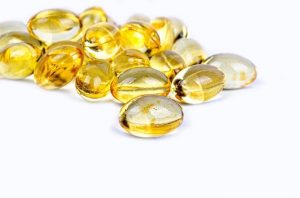
Clear get pills

Should You Take Vitamins?

Since there are so many vitamins and minerals and everything the body needs available in animal foods and plant foods, are vitamins even necessary? For many individuals, yes, vitamins may be very necessary.

Those with impaired digestive systems may be eaten a diet of whole foods but unable to assimilate many of the nutrients. You are more than what you eat, you are what you digest. Those who are pregnant or breastfeeding in particular will want to take a high-quality prenatal as an “insurance policy” of sorts to an already nutrient-dense diet.

The key is to choose vitamins made from whole foods, not synthetic vitamin supplements. Most vitamins on the supermarket shelves are made synthetically. If in doubt, you can always call the company and ask about sourcing and processing methods.

Conclusion

Synthetic vitamins, while they may be better nothing when it comes to supplementing deficiencies, are inferior to whole foods. Synthetic vitamins may even be harmful for some individuals as they are largely unregulated. Whole foods are a nutrient-dense source and should form the foundation of vitamin consumption. When necessary or as an insurance policy, a whole foods based supplement may be a necessary and vital addition to an already nutrient-dense diet.

[/fusion_text][/fusion_builder_column][/fusion_builder_row][/fusion_builder_container]

https://nf.simplygrandproperties.com/wp-content/uploads/2019/01/berries.jpg 640 960 NF Admin https://nf.simplygrandproperties.com/wp-content/uploads/2022/05/NutriFusion-Logo-New-1030x251.png NF Admin2019-01-29 10:47:192019-01-29 10:47:19The Importance of the Right Vitamins

Why Plant-Based Colors are Popular

in Beverages & Drinks, Consumer Packaged Goods, Food Business, Supplements & Nutraceuticals

In today’s world, the colors of food are just as important as the flavor. In snacks geared for veggie and plant lovers, plant-based colors like kale and carrots are becoming increasingly popular. These vibrant ingredients promote feelings of satisfaction in consumers and play a significant role in how people select their snacks. This is apparent in large companies who use this strategy to attract more consumers.

Another avenue for brightly colored snacks is social media. Influencers who post pictures of eye-catching and mouthwatering snacks play a significant role in the consumer experience. Colors make snacks seem more appetizing, and people are more likely to purchase them.

Artificial Colors Are Yesterday’s Snack

Manufacturers have experienced a 75% rate of growth for products which use bright, appealing colors, in a survey taken from 2009-2013. These snacks have become increasingly popular as they allow for trendy, visually pleasing photos, which draws in the attention of potential buyers.

Recent years have also seen the rise in the desire for cleaner, natural products. Consumers are beginning to stray away from artificially produced snacks in exchange for a healthier solution. Included with natural products would be the colors used to create said products. Consumers would instead purchase snacks made without artificial colors.

Large companies have started to phase out artificial coloring and have settled for naturally vibrant ingredients. Many companies in the food industry have already created brand new recipes and items with plant-based colors to reflect the change in consumer desires.

Plant-Based Colors Means More Sales

In a research study, it was found that an overwhelming 9 out of 10 shoppers had decided to buy a product based on the color of it, and the imagined taste associated with the color. Items that were deemed to be more visually pleasing had a much higher chance to be purchased.

Today’s market reflects that purple is a surprise favorite color for food and has been popping up in drinks and snacks. In addition to the visual aspect, consumers believe that products of this color are more likely to be beneficial to health. The health-conscious consumer is much more likely to buy a plant-based snack as opposed to one with artificial ingredients.

Brightly colored foods are most popular within the younger community as they are perceived as better photos for social media platforms such as Twitter and Instagram. These colorful foods are then shared within the user’s followers often resulting in new customers.

Large companies such as Kellogg, and Barry Callebaut, have recently launched products to capitalize on the color craze. The products they introduced were unique in their color composition using vibrant, plant-based colors in an attempt to pop out at buyers. This is contrary to the traditional plain colors associated with these foods.

A Health-Conscious America

The rise of a health-conscious and social media driven society has pushed the snack market into new territory. It is safe to believe that this trend will not end soon and that snacks and food, in general, will progressively become more colorful in an attempt to appear more appealing. Whether it is the cereal we eat in the morning or ice cream after dinner, many products will continue to become more and more unique.

Inspired by www.fooddive.com


https://nf.simplygrandproperties.com/wp-content/uploads/2016/11/composition-of-fruits-and-vegetables-in-rainbow-82DUL49-min.webp 1067 1600 NF Admin https://nf.simplygrandproperties.com/wp-content/uploads/2022/05/NutriFusion-Logo-New-1030x251.png NF Admin2018-11-30 08:33:172018-11-30 08:33:17Why Plant-Based Colors are Popular

Fresh Snacking is a Driving Force in Clean Label Products

in Beverages & Drinks, Consumer Packaged Goods, Supplements & Nutraceuticals

In a recent article from Mintel, they provided new statistics showing that fresh snacking is a driving force behind clean label products. While consumers have been gravitating towards organic, natural, and non-GMO to define a clean label product, “fresh” has emerged a new attribute. According to Mintel’s research, consumers are determining fresh as free of preservatives and typically a refrigerated product. How much is fresh snacking growing in the marketplace?

The Growth of Fresh Snacking

New data from SPINS shows that 94% of adults snack daily with the entire snacking market size at over $57 billion in sales annually. While conventional snacking makes up the lion share of the market, health and wellness snacking have been on the rise with a 6% annual growth rate. To no surprise, the health and wellness sector of the market is being driven by the growth in fresh snacking products. Mintel identified the top products that clearly define the fresh snacking category: protein snack packs, refrigerated protein bars, drinkable soups, yogurts, guacamole, hummus, and bottled smoothies.

The millennial and iGen consumers are a driving force behind these products as they continue to demand clean labels with simple, whole food ingredients.

How is Fresh Snacking Evolving?

Protein and essential nutrients have been important attributes in the evolution of fresh snacking over the past 10+ years. Mintel estimates that fresh snacking started in 2005 due to innovation from smaller brands and experimental convenience formats from big brands. SPINS data showed that the market began to take off in 2008 as fresh snacking product launches increased 4x over between 2008 and 2017.


The fresh aspect of the new snacks became a rallying call for brick and mortar retailers as the shipping costs of e-commerce make it virtually impossible to deliver these types of products for a profit. New surveys from Mintel indicate that 33% of shoppers are now looking for new foods on the perimeter of the grocery store with 25% saying that is where they make impulse purchases.

The Future of the Category

As the category continues to explode, there will be opportunities for new segments to jump in like chilled desserts. New segments will continue to take advantage of the use of whole food ingredients and no preservatives. Some brands are looking for a way to add whole food, plant-based vitamins and minerals to the products to enhance the nutrition facts label and their ingredient statement. Companies like NutriFusion are providing new products with easy to use fruit and vegetable powders rich in vitamins and minerals. Brands are making powerful claims like Rich in Antioxidants,  Vitamins From X fruits and vegetables, etc. to entice consumers to buy at the perimeter of the store.

What comes next for the fresh snacking category?

Inspired by www.mintel.com

NutriFusion Pets CTA vitamin and mineral premixes pet food pet treats natural ingredients

https://nf.simplygrandproperties.com/wp-content/uploads/2022/05/NutriFusion-Logo-New-1030x251.png 0 0 NF Admin https://nf.simplygrandproperties.com/wp-content/uploads/2022/05/NutriFusion-Logo-New-1030x251.png NF Admin2018-11-28 09:20:482018-11-28 09:20:48Fresh Snacking is a Driving Force in Clean Label Products
Page 6 of 16«‹45678›»

NUTRIFUSION®

GrandFusion® is a blend of fruits and/or vegetables that can significantly increase the nutritional profile and, therefore, the marketability of food, beverage, pet, and snack products.

Categories

  • Animal Nutrition
  • Beverages & Drinks
  • Consumer Packaged Goods
  • Corporate Partnerships
  • Corporate Updates
  • Featured
  • Food Business
  • Food Retail
  • Health & Nutrition
  • Infographics
  • Kid's Health
  • News
  • Press Releases
  • Product Announcements
  • Recipes
  • Supplements & Nutraceuticals
  • Uncategorized

ABOUT NUTRIFUSION®

NutriFusion® provides the nutrient-rich benefits of fruits and vegetables in everyday food products through whole non-GMO foods to create its concentrated micronutrient and phytonutrient-rich food ingredient blends.

Search NutriFusion

Search Search

Archives

  • June 2026
  • May 2026
  • April 2026
  • February 2026
  • January 2026
  • December 2025
  • November 2025
  • October 2025
  • September 2025
  • August 2025
  • July 2025
  • June 2025
  • May 2025
  • April 2025
  • March 2025
  • February 2025
  • January 2025
  • December 2024
  • November 2024
  • October 2024
  • September 2024
  • August 2024
  • June 2024
  • May 2024
  • April 2024
  • March 2024
  • February 2024
  • January 2024
  • December 2023
  • November 2023
  • October 2023
  • September 2023
  • August 2023
  • July 2023
  • June 2023
  • May 2023
  • April 2023
  • March 2023
  • February 2023
  • January 2023
  • December 2022
  • November 2022
  • October 2022
  • September 2022
  • August 2022
  • July 2022
  • June 2022
  • May 2022
  • April 2022
  • March 2022
  • February 2022
  • January 2022
  • December 2021
  • November 2021
  • October 2021
  • September 2021
  • August 2021
  • July 2021
  • June 2021
  • April 2021
  • March 2021
  • February 2021
  • January 2021
  • December 2020
  • November 2020
  • October 2020
  • August 2020
  • June 2020
  • April 2020
  • March 2020
  • February 2020
  • January 2020
  • December 2019
  • November 2019
  • October 2019
  • September 2019
  • August 2019
  • July 2019
  • June 2019
  • May 2019
  • April 2019
  • March 2019
  • February 2019
  • January 2019
  • December 2018
  • November 2018
  • October 2018
  • September 2018
  • August 2018
  • July 2018
  • June 2018
  • May 2018
  • April 2018
  • March 2018
  • February 2018
  • January 2018
  • December 2017
  • November 2017
  • October 2017
  • September 2017
  • August 2017
  • July 2017
  • June 2017
  • May 2017
  • April 2017
  • March 2017
  • February 2017
  • January 2017
  • December 2016
  • November 2016
  • October 2016
  • September 2016
  • August 2016
  • July 2016
  • June 2016
  • May 2016
  • April 2016
  • March 2016
  • February 2016
  • January 2016
  • December 2015
  • November 2015
  • July 2015
  • March 2015
  • February 2015
  • January 2015

Categories

  • Animal Nutrition
  • Beverages & Drinks
  • Consumer Packaged Goods
  • Corporate Partnerships
  • Corporate Updates
  • Featured
  • Food Business
  • Food Retail
  • Health & Nutrition
  • Infographics
  • Kid's Health
  • News
  • Press Releases
  • Product Announcements
  • Recipes
  • Supplements & Nutraceuticals
  • Uncategorized

Pages

  • 12 Nutrient Fruit & Vegetable Blend | NF-2782
  • 2024 Tradeshows
  • 21 Vitamin & Mineral Blend | NF-82333
  • 6 Nutrient Fruit & Vegetable Blend | NF-2769
  • 6 Nutrient Fruit Blend | NF-2771
  • 6 Nutrient Vegetable Blend | NF-2770
  • About Us
  • Active Research
  • B Complex Vitamin Blend | NF-2131
  • Beverages & Drinks
  • Blog
  • Certifications
  • Clients
  • Connect with NutriFusion
  • Contact Us
  • Custom Superfood Powder Blends
  • EY US Unveils William Grand of NutriFusion as an Entrepreneur Of The Year® 2025 Florida Award Finalist
  • FAQ
  • Food
  • Hidden Benefits
  • Home
  • How Fruit & Vegetable Intake Affects Cardiovascular Health
  • Media Kit
  • Newsroom
  • Nutraceuticals
  • NutriFusion Announces Partnership with BeLoved Foods
  • NutriFusion Announces Partnership with Drink Todo
  • NutriFusion Announces Partnership with Jam Packd, Creator of Delicious, Nutritious Fruit Spreads
  • NutriFusion Announces Supplier Partnership with UMMY Kids Superfood Shakes
  • NutriFusion Honored as Bronze Stevie® Award Winner in 2025 American Business Awards®
  • NutriFusion Partners with Whole Dogg to Launch Canada’s First Veterinary Nutritionist formulated Dog Supplement
  • NutriFusion Ranks No. 3436 on the 2025 Inc. 5000 List of America’s Fastest-Growing Private Companies
  • NutriFusion Ranks No. 4441 on the 2024 Inc. 5000
  • NutriFusion Welcomes Nutrition Expert Michelle Bacarella, MS RDN, to Drive Innovation in Whole Food Nutrition Solutions
  • NutriFusion- nutrients created by nature
  • Pet Fruit & Vegetable Blends
  • Podcasts
  • Press
  • Privacy Policy
  • Privacy Tools
  • Products
  • Research & Development
  • Secure Website
  • Supplements & Nutraceuticals
  • SupplySide West
  • Test Page 2
  • Testimonials
  • The Essential Guide to Creating Functional Foods & Beverages
  • Vitamin Deficiency: What to Know
  • Vitamins for Baby Boomer & Seniors
  • Vitamins for Beverages
  • Vitamins for Frozen Foods
  • Vitamins for Healthy Snacks
  • Vitamins for Millennials
  • Vitamins for Pets
  • Vitamins for Private Label
  • Vitamins for Weight Management
  • Website Updates | Maintenance

Categories

  • Animal Nutrition
  • Beverages & Drinks
  • Consumer Packaged Goods
  • Corporate Partnerships
  • Corporate Updates
  • Featured
  • Food Business
  • Food Retail
  • Health & Nutrition
  • Infographics
  • Kid's Health
  • News
  • Press Releases
  • Product Announcements
  • Recipes
  • Supplements & Nutraceuticals
  • Uncategorized
Scroll to top Scroll to top Scroll to top